
Explore an incisionless weight-loss procedure called ESG.
A private consultation can help you understand whether Endoscopic Sleeve Gastroplasty, or ESG, may fit your health, goals, and long-term plan.


Request your private ESG consultation
Tell us the best way to reach you. There is no obligation to move forward.
A different way to think about weight-management care.
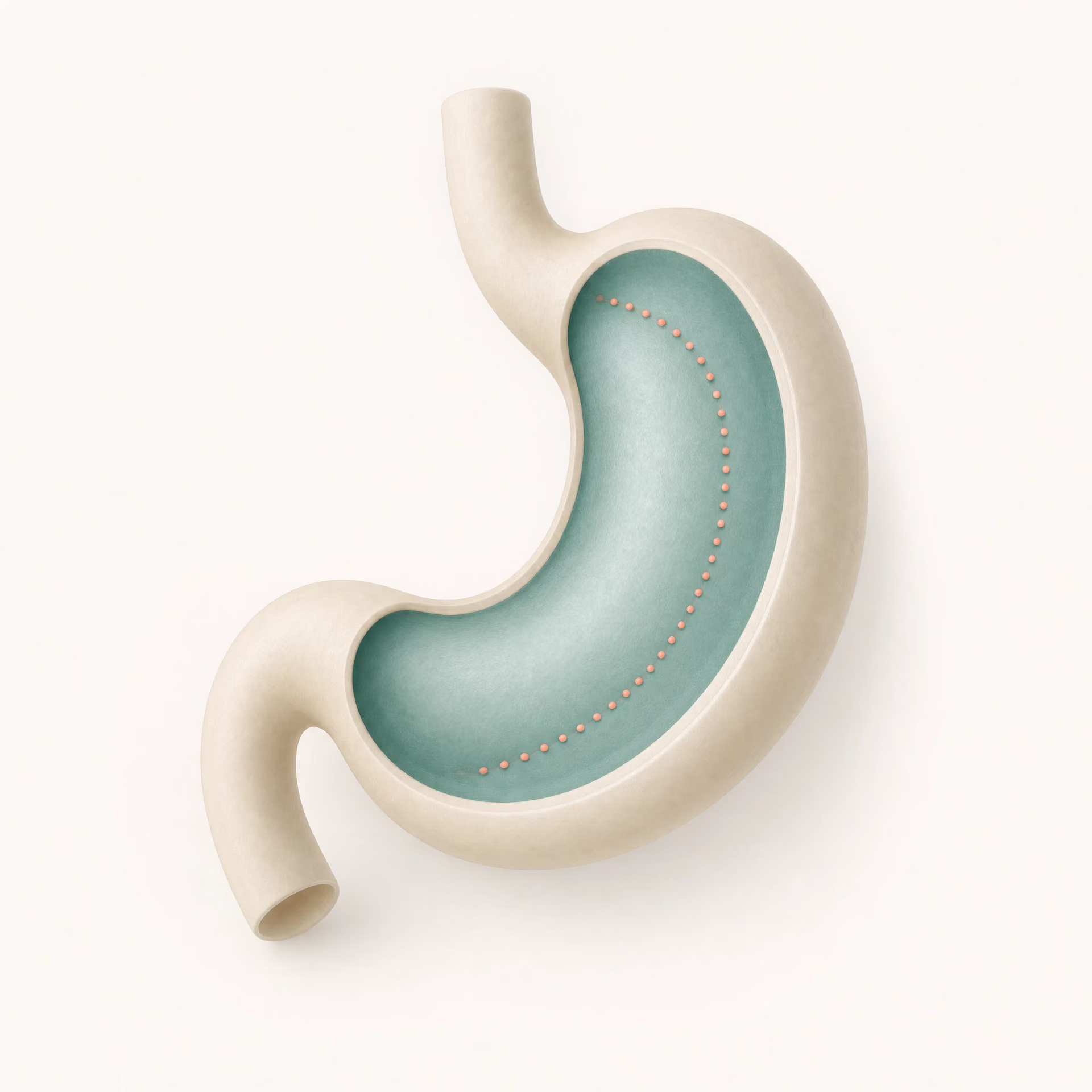
Endoscopic Sleeve Gastroplasty, often shortened to ESG, is an incisionless weight-loss procedure. A physician uses a flexible camera and suturing device passed through the mouth to place sutures inside the stomach.
Those sutures change the shape of the stomach to help a person feel full with less food. There are no external abdominal incisions.
ESG is not the same as surgical sleeve gastrectomy. Each option has different considerations, recovery needs, and potential outcomes.
The right question is not “What is best?” It is “What fits my situation?”
Weight-management care is not one-size-fits-all. A consultation gives you space to understand the options, ask better questions, and make an informed decision.

Side effects and trade-offs matter.
Medication can be a useful part of weight-management care. It is also reasonable to want clear information about the treatment, the side effects, and what ongoing medication may mean for you.
What patients should understand before starting.
GLP-1 medicines are prescription treatments used under medical supervision. Like all medicines, they can have side effects and require an ongoing plan with the prescribing clinician.
Nausea, vomiting, diarrhea, constipation, and stomach discomfort can occur, especially when starting treatment or increasing a dose.
A prescriber may also discuss risks such as dehydration, gallbladder problems, pancreatitis, and serious allergic reactions.
Many people also weigh ongoing medication use, dose changes, access, cost, and what happens if treatment is stopped.
These considerations do not make medication wrong. They are important to discuss with the clinician managing your care
A procedural option without ongoing GLP-1 medication.
ESG changes the shape of the stomach using internal sutures. It is performed through the mouth and does not require external abdominal incisions.
ESG does not involve a weekly injection schedule or the ongoing medication adherence that treatment may require.
ESG does not expose you to the medication-related effects that may concern some people.
A successful plan still includes nutrition, habits, medical guidance, and structured follow-up.
Important: ESG is not risk-free. It is a procedure with its own possible complications, recovery needs, and long-term considerations. Eligibility must be determined through a medical evaluation.
| at a glance | glp-1 medication | esg procedure |
|---|---|---|
| How it works | Prescription medication that can affect appetite and blood-sugar regulation. | Internal sutures change stomach shape to help a person feel full with less food. |
| How it is received | An ongoing medication plan guided by a prescribing clinician. | One endoscopic procedure, followed by structured nutrition and medical follow-up. |
| What the decision involves | Medical history, access, possible side effects, and ongoing adherence. | Candidacy, recovery planning, procedural considerations, and long-term support. |
| Important to remember | Medication decisions should be made with the clinician who manages your care. | Eligibility and expected results can only be discussed after an individual evaluation. |
The right next step: If the ongoing medication journey or its possible side effects give you pause, ESG may be worth discussing. The right option depends on your health, goals, and care team’s evaluation.

Could a private consultation be worth your time?
A consultation may be helpful if you are looking for more than general weight-loss advice and want to understand a minimally invasive procedural option.


A website cannot determine eligibility. Your care team will need to review your history, goals, and potential care options.
Your first step is a conversation, not a commitment.
Request a consultation
Share your basic contact information through the secure request form.
Connect with the team
We will explain the scheduling process and help you prepare.
Complete an evaluation
Your care team reviews your history, goals, and possible options.
Make an informed decision
You receive clear guidance about appropriate next steps.

The procedure is only one part of the plan.
Every condition below has one thing in common: it can keep you from living your normal life. We can help you get back to it.



Clear answers before you make a decision.
We believe you should be able to ask direct questions about the financial side of care before choosing a procedure. During a consultation, you can ask about what is included, follow-up needs, insurance considerations, and payment options if offered.
Coverage and out-of-pocket costs can vary. No financial decision should be made until you have received current information from the practice.
What should I ask?




A serious decision deserves a thoughtful conversation.
You deserve a care team that listens, explains the options clearly, and helps you decide based on your health and goals.
Dr. Colin Dunn
Dr. Dunn leads a patient-centered surgical practice built around clear communication, individualized evaluation, and thoughtful treatment planning.
Common questions about ESG.
Still deciding? These answers can help you prepare for a more useful conversation with a care team.


No. ESG is an endoscopic procedure performed through the mouth, with no external abdominal incisions. Surgical sleeve gastrectomy removes a portion of the stomach through surgery. The two procedures have different considerations, recovery needs, and potential outcomes.
No. GLP-1 medications and ESG work in different ways. Medication is an ongoing treatment plan, while ESG is a procedure that changes the shape of the stomach. A care team can help you understand which options may be worth discussing.
ESG is performed endoscopically through the mouth. It uses internal sutures and does not require external abdominal incisions.
Results vary and cannot be guaranteed. A qualified clinician can explain the evidence, the factors that can influence results, and what may be realistic for your individual situation.
Eligibility requires an individualized evaluation. Your medical history, prior treatments, medications, goals, and readiness for ongoing follow-up all matter.
Coverage and out-of-pocket cost can vary. The practice can help you understand the financial conversation, including what is included in care and any available options, before you decide.
Ready to get clear answers about ESG?
If you are comparing ESG with GLP-1 medication, exploring an incisionless procedure, or simply want a more personalized next step, we are here to help.