
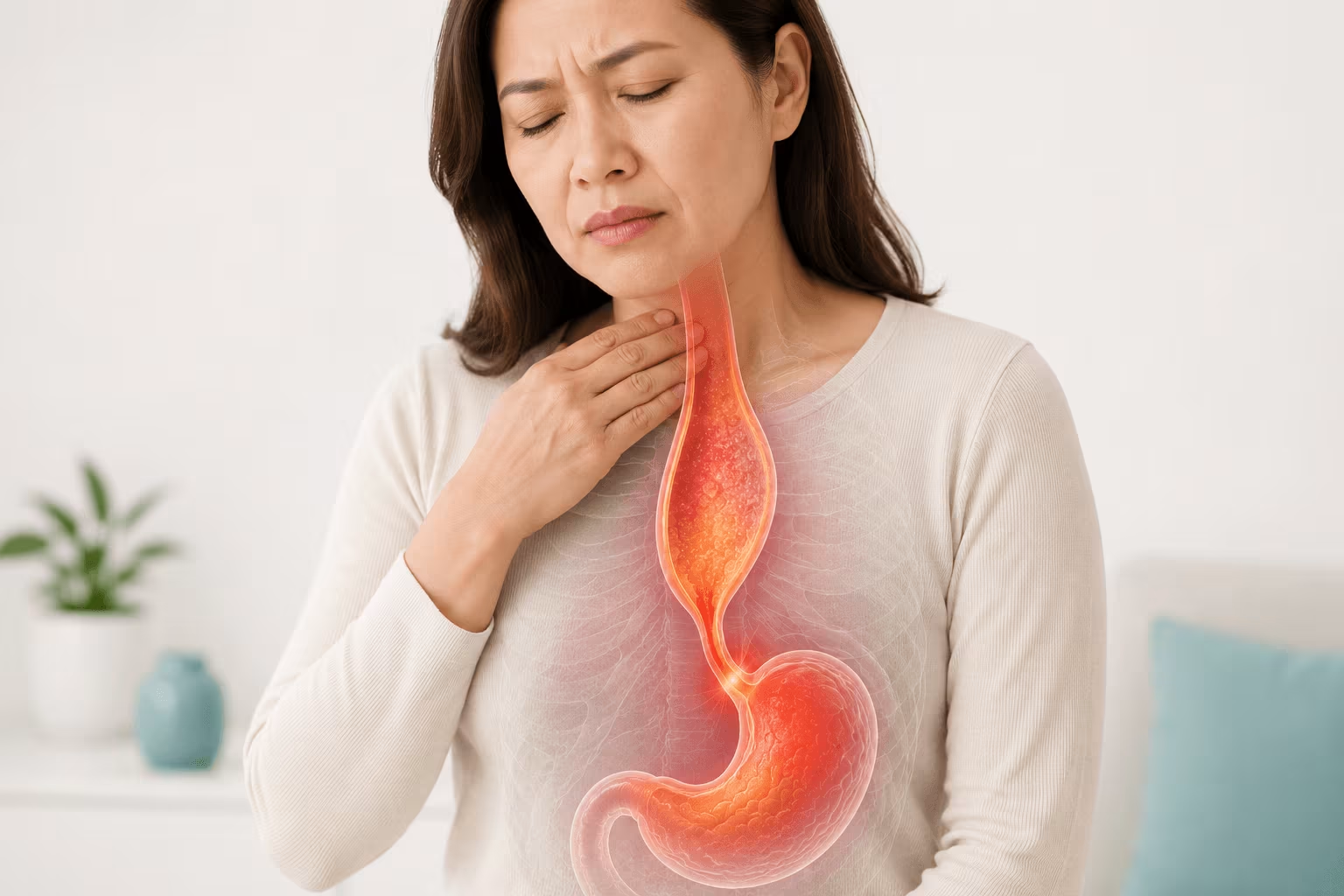


Achalasia
Achalasia is a rare disorder where the esophagus has trouble moving food to the stomach. A foregut specialist can help diagnose and treat this condition.
What is achalasia?
The esophagus is the muscular tube that moves food to the stomach. The lower esophageal sphincter (LES) is the ring of muscle at the stomach. In achalasia the LES fails to relax normally. The esophagus also loses its wave-like squeezes, called peristalsis.
Food and liquid may collect in the esophagus instead of emptying. Collected material can cause regurgitation, chest pressure, or coughing. It can also cause aspiration into the lungs and weight loss. Achalasia is uncommon and can look like reflux, so testing matters.

Common symptoms
Symptoms usually start slowly. Many people adapt over time. Common signs include:
• Difficulty swallowing solids and liquids.
• Regurgitation of undigested food, liquid, or saliva.
• Chest pain or pressure.
• Heartburn-like symptoms that mimic reflux.
• Nighttime cough or signs of aspiration.
• Weight loss or avoidance of meals.
• Hiccups, trouble belching, or vomiting.
What causes achalasia?
The exact cause is not fully known. Achalasia involves poor LES relaxation and loss of nerve-controlled peristalsis. One idea is that infection or an autoimmune reaction damages nerve cells. Those nerve cells control the muscles of the esophagus. Achalasia is not caused by stress or ordinary reflux.
Risk Factors
• Autoimmune reaction
• Nerve cell damage
• Possible past infection
Lifestyle Triggers
• Taking large bites
• Eating late at night
• Lying flat after eating

Seek urgent medical care if you cannot swallow or keep fluids down. Also seek care for any of these signs:
• Choking or trouble breathing.
• Severe chest pain.
• Vomiting blood.
• Black or tarry stools.
• Fever with possible aspiration into the lungs.
• Rapid, unexplained weight loss.
Common diagnostic tests
Your doctor will take a detailed history and review prior tests. Key evaluations include:
• Timed barium esophagram: X-rays at set times show retained barium to measure severity and treatment response.
• Reflux testing (pH study): This measures acid exposure in the esophagus to distinguish symptoms or plan treatment.
<p>A thin tube measures muscle contractions and LES relaxation. Manometry is the key test to confirm the diagnosis and subtype.</p>
<p>A flexible camera inspects the esophagus and stomach. It checks for narrowing, inflammation, tumors, and retained food.</p>
<p>You drink barium and X-rays show shape. This shows narrowing and how well the esophagus empties.</p>
<p>This test measures how the esophagogastric junction stretches and opens. It helps when other tests are unclear or to plan treatment.</p>
How achalasia is treated
Treatment aims to help the LES open so food can pass. Options include lifestyle changes like chewing well and drinking with meals, or medications like nitrates to relax the LES briefly. For severe cases when other treatments fail, esophagectomy may be considered.
Choosing the best option
There is no single best treatment for everyone. The choice depends on many factors including age, health, achalasia subtype, and esophagus shape. A foregut specialist will explain benefits, limits, and likely durability. They will discuss possible complications and follow-up needs. Decisions are personalized to your health and goals.
Likely good candidates
• Achalasia subtype and manometry results
• Shape and size of your esophagus
• Your age and overall health
• Aspiration and reflux risk
May need further evaluation
• Trouble swallowing both solids and liquids
• Regurgitating undigested food
• Reflux medicine does not help swallowing
• Weight loss because eating is hard
Not sure if you qualify?
Dr. Dunn reviews every case personally. Book a consultation and he'll give you an honest answer — even if that answer is "let's get more testing first."
What recovery looks like
All main options can be effective for selected patients. The choice depends on your test results, subtype, and reflux risk. Specialist consultation helps compare options like durability and recovery needs.
<p>A surgical operation usually paired with anti-reflux work to lower the risk of acid reflux.</p>
<p>Done through the mouth and avoids abdominal incisions. It may increase reflux risk for some patients.</p>
<p>Less invasive but may need repeat sessions. It carries a small perforation risk.</p>
<p>Botulinum toxin is injected into the LES to relax it temporarily. It is useful for patients who cannot have surgery or dilation.</p>
Frequently asked questions

Achalasia is a rare disorder that affects your esophagus, the tube that moves food to your stomach. In this condition, the muscle ring at the bottom of the esophagus fails to relax normally. The esophagus also loses its ability to squeeze food down effectively. As a result, food and liquids can get stuck. Common signs include difficulty swallowing both solids and liquids, regurgitating undigested food, and feeling pressure in your chest. Some people also experience unexplained weight loss because eating becomes difficult. Because these symptoms can mimic other conditions like acid reflux, getting a proper evaluation is important to find the right cause and start the correct treatment plan for your specific needs.
Diagnosing achalasia usually requires several different tests to confirm the condition and rule out other problems. A specialist will often start with an upper endoscopy to look inside your esophagus and a barium swallow to see how food moves. The most important test is called esophageal manometry. During this test, a thin tube measures your muscle contractions and how well the lower muscle ring relaxes. Another helpful tool is the EndoFLIP, which measures how well the connection between your esophagus and stomach stretches. These tests help your doctor understand your specific motility pattern. By combining these results, your care team can confirm the diagnosis and determine which treatment option will be the safest and most effective for your health goals.
While treatments cannot restore lost nerve function, they can help the lower esophageal muscle open so food passes more easily. A specialist might suggest lifestyle changes like taking smaller bites or drinking more water with meals. Medical options include Botox injections for temporary relief or pneumatic dilation to stretch the muscle with a balloon. More definitive treatments include a Heller myotomy, which is a surgical procedure to cut the muscle, or a POEM procedure performed through the mouth. The best choice depends on your age, overall health, and specific test results. A foregut specialist will review your symptoms and test data to help you compare these options, focusing on balancing long term symptom relief with the risk of future acid reflux.
You should seek immediate medical attention if you suddenly cannot swallow or are unable to keep any fluids down. Other urgent warning signs include choking, trouble breathing, or experiencing severe chest pain. You should also contact a doctor right away if you vomit blood, notice black or tarry stools, or develop a fever along with a cough. Rapid and unexplained weight loss is another sign that requires a prompt evaluation. These symptoms could indicate a complete blockage or that food is being inhaled into your lungs. While many people with achalasia adapt to their symptoms over time, these specific signs mean your condition needs fast assessment to prevent serious complications and ensure you receive the necessary support to stay hydrated and nourished.



We don’t hand you discharge papers and call it done. Here’s what we promise—in writing:
How our guarantee works
Off your meds
No more daily antacids or reflux medication within one month of surgery. Most patients are surprised by how quickly they stop reaching for the bottle.
Sleep flat again
Lying flat without reflux within one month, no more propped pillows or elevated bed frames at night. Wake up rested, the way you used to.

Eat your favorites
Enjoy your trigger foods again within one month of your surgery. Spicy food, coffee, wine, back on the table, without the worry.