
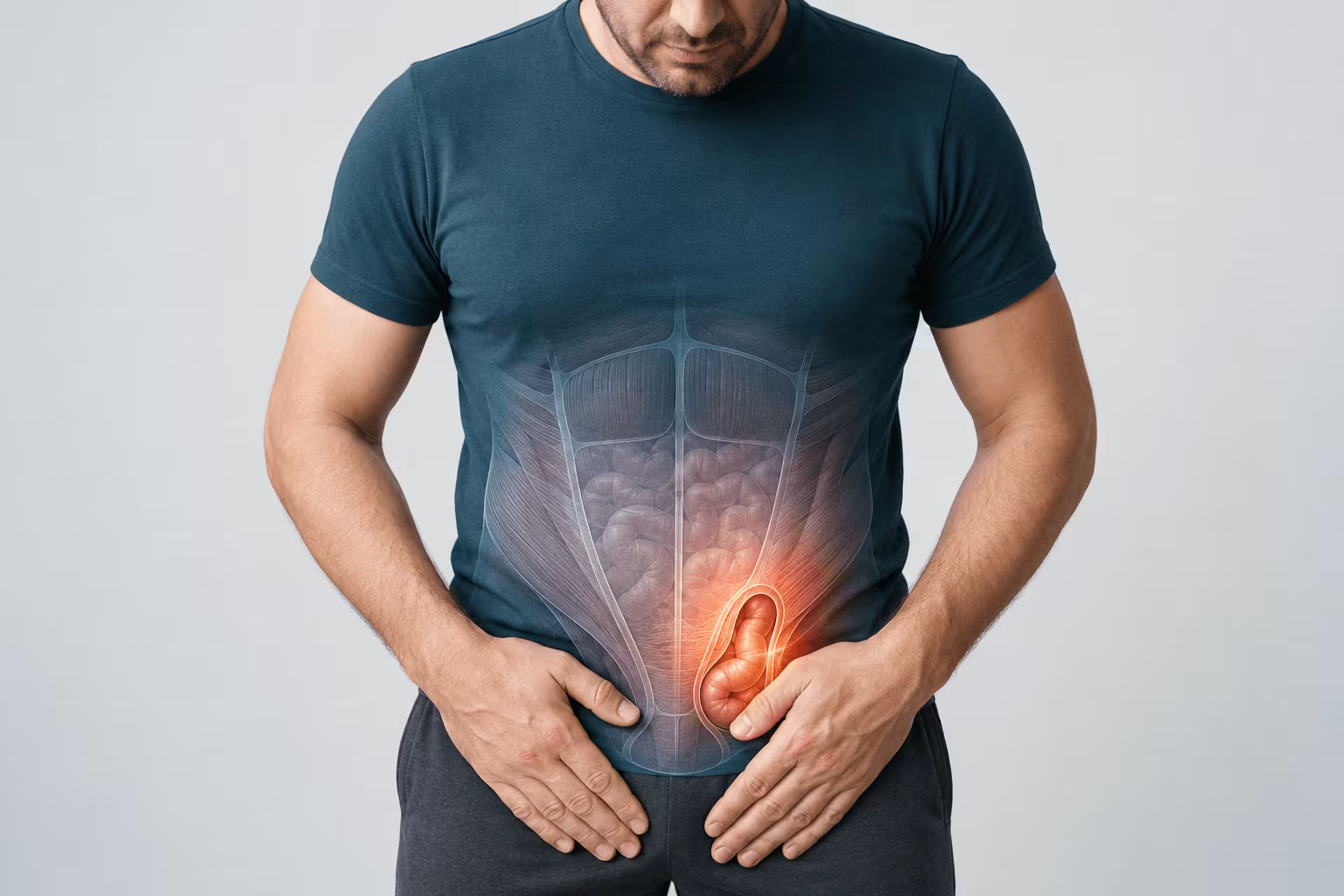


Hernias
A hernia occurs when tissue pushes through weak muscle, often in the abdomen or groin. Learn about types, symptoms, and repair options in San Jose.
What is a hernia?
A hernia happens when tissue or part of an organ pushes through weak muscle. Most hernias occur in the abdomen or groin. They often look like a bulge that grows with coughing, lifting, or standing. A bulge may be constant or appear only with pressure.
A hernia forms where muscle or connective tissue is weak. Fat, intestine, or other abdominal contents can push through the weak spot. A bulge may be visible all the time or only with pressure. Important questions include where the hernia is, if it causes symptoms, and if it can be pushed back in. Small, low-risk hernias can sometimes be watched. Painful, enlarging, recurrent, or hard-to-reduce hernias need surgical evaluation.
Common types of hernias
• Inguinal hernia: Occurs in the groin near the inguinal canal; causes burning, aching, or heaviness.
• Femoral hernia: Found in the upper thigh or groin; carries a higher risk of trapping.
• Umbilical hernia: A bulge at or near the belly button that may grow with strain or pregnancy.
• Ventral hernia: A bulge along the front abdominal wall, above or below the navel.
• Incisional hernia: Forms through a scar from a prior abdominal surgery.
• Recurrent hernia: A bulge or symptoms that return in the area of a prior hernia repair.
• Hiatal hernia: An opening in the diaphragm that causes reflux or swallowing symptoms rather than an abdominal bulge.

Common hernia symptoms
• Visible bulge in the groin, belly button, or abdomen.
• Bulge more obvious when standing, coughing, or straining.
• Pressure, pulling, aching, burning, or heaviness at the bulge.
• Pain with coughing, lifting, bending, or exercise.
• Bulge that flattens when you lie down, called reducible.
• Scrotal swelling or testicular discomfort in some men.
• Nausea, vomiting, fever, severe pain, or inability to pass gas or stool may signal danger.
What causes hernias?
Hernias form when tissue weakness combines with increased pressure. Weakness can be present from birth or develop over time. Common contributors include prior surgery, injury, repeated strain, chronic cough, constipation, pregnancy, obesity, heavy lifting, older age, and some inherited connective tissue differences. Inguinal hernias can be indirect, related to an opening from birth, or direct, related to a later muscle weakness.
Risk Factors
• Prior surgery
• Injury
• Repeated strain
• Chronic cough
• Constipation
• Pregnancy
• Obesity
• Heavy lifting
• Older age
• Inherited connective tissue differences
Lifestyle Triggers
• Heavy lifting
• Intense straining
• Chronic cough
• Constipation

When a hernia becomes urgent
A hernia can become trapped and unable to be pushed back in. This is called incarceration, or trapped hernia. If blood flow to the trapped tissue is cut off, that is strangulation. Strangulation can be life threatening.
Seek emergency care right away if you have:
• A bulge that cannot be pushed back in, especially if new or painful.
• Sudden or severe pain.
• Red, purple, dark, or very tender bulge.
• Fever.
• Nausea or vomiting.
• Abdominal swelling or inability to pass gas or stool.
How hernias are diagnosed
Diagnosis usually starts with medical history and physical exam. The doctor will often examine you while you stand, cough, or strain gently. Some hernias only appear under pressure. Often the exam is enough. Imaging helps when the exam is unclear, anatomy is changed by prior surgery, a recurrent hernia is suspected, or complex repair planning is needed.
Checks location, size, tenderness, and reducibility.
Helps find small or intermittent groin hernias.
Shows abdominal wall anatomy and bowel involvement.
Help if you had mesh or prior repairs.
Treatment options
Treatment depends on hernia type, symptoms, size, reducibility, prior repairs, work needs, and health. Options include watching, lifestyle changes, elective repair, or urgent surgery for complications.
Watchful waiting
Monitor the hernia and learn warning signs. This may be reasonable for selected men with small, reducible, mildly symptomatic inguinal hernias. It is generally not recommended for nonpregnant women because femoral hernias are more likely and can be risky.
Strain reduction
Avoid heavy lifting, treat constipation, manage chronic cough, and work toward a healthy weight. These steps reduce symptom triggers but do not fix the hernia.
Elective hernia repair
Surgery returns tissue to the correct spot and reinforces the weak area. Surgeons often use mesh, a synthetic patch, depending on the case. Repair is commonly considered for painful, growing, activity-limiting, recurrent, or cosmetically concerning hernias.
Minimally invasive repair
Laparoscopic or robotic surgery uses small incisions and a camera. It may offer shorter recovery and less early pain for selected patients.
Open repair
Surgery through an incision over the hernia. This may be best for certain locations, sizes, or prior operations.
Complex abdominal wall repair
Advanced planning and reconstruction for large, recurrent, or complicated defects.
Will I need mesh?
Mesh is commonly used to reinforce a hernia repair. Whether mesh is right depends on hernia type, size, location, infection risk, recurrence risk, and your health. Your surgeon will explain the reasons for or against mesh in your case.
What to expect at a hernia consultation
A consultation clarifies whether a hernia is present, what type it is, and which treatment fits your goals. Dr. Colin Dunn will review your bulge location, symptom triggers, work and activity needs, and prior abdominal operations. He will also review prior hernia repairs, current medical risks, medications, and tobacco use. Bring any ultrasound, CT, or operative reports you have.
Consultation focuses
• Hernia type and location, which affect repair options and urgency.
• Whether the hernia is reducible or stuck.
• Symptoms and activity limits, to decide between observation and repair.
• Prior surgery and mesh history, for planning recurrent or incisional repairs.
• Whether imaging like ultrasound or CT is needed.
• Choosing an approach: open, laparoscopic, robotic, or complex reconstruction.
• Recovery planning: work limits, lifting restrictions, pain control, and return-to-activity timeline.
Likely good candidates
• Selected men with small, reducible, mildly symptomatic inguinal hernias.
May need further evaluation
• Hernias that grow, hurt, are hard to push back, or return after surgery.
Not sure if you qualify?
Dr. Dunn reviews every case personally. Book a consultation and he'll give you an honest answer — even if that answer is "let's get more testing first."
What recovery looks like
Recovery varies by surgery type, hernia size, and your health. Minimally invasive repairs often allow a quicker return to daily activities and less early pain for suitable patients. Your surgeon will discuss expected recovery, work restrictions, and pain control before surgery.
Offers a quicker return to daily activities and less early pain for suitable patients.
Focuses on work limits, lifting restrictions, pain control, and a return-to-activity timeline.
Recovery varies based on the surgery type, hernia size, and your overall health.
Your surgeon will discuss expected recovery, work restrictions, and pain control before your procedure.
Frequently asked questions

A hernia happens when tissue or part of an organ pushes through a weak spot in your muscle or connective tissue. Most hernias occur in the abdomen or groin area. You might notice a visible bulge that becomes more obvious when you are standing, coughing, or straining. Many people feel a sense of pressure, pulling, aching, or burning at the site of the bulge. Some hernias may cause pain when you lift heavy objects, bend over, or exercise. The bulge often flattens or disappears when you lie down. While some hernias cause little discomfort, others can lead to sharp pain or a heavy feeling that limits your daily activities.
The diagnosis of a hernia usually begins with a thorough medical history and a physical exam. Your doctor will often ask you to stand, cough, or strain gently during the exam, as some hernias only appear under pressure. In many cases, a physical exam is enough to confirm the diagnosis. If the exam is unclear or if your anatomy has changed from a prior surgery, imaging tests may be used. An ultrasound can help find small groin hernias that come and go. A CT scan of the abdomen and pelvis provides a detailed view of the abdominal wall and any bowel involvement. These tests help your surgeon plan the most effective repair for your specific needs.
Treatment for a hernia depends on its type, size, and symptoms. Small hernias that do not cause much trouble may sometimes be monitored through watchful waiting. However, most hernias do not heal on their own and may grow larger over time. Surgical repair is often recommended if you experience pain, pressure, or if the hernia limits your daily activities. During surgery, the tissue is returned to its correct spot and the weak area is reinforced, often using a synthetic mesh. Options include minimally invasive laparoscopic or robotic surgery, which uses small incisions, or traditional open repair. Your surgeon will help you choose the best approach based on your health, prior surgeries, and personal goals for recovery.
While many hernias are not immediately dangerous, some can become trapped and unable to be pushed back in. This is called incarceration. If the blood flow to the trapped tissue is cut off, it is known as strangulation, which is a life-threatening emergency. You should seek emergency care right away if you have a bulge that cannot be pushed back in, especially if it is new or painful. Other warning signs include sudden or severe pain, a bulge that looks red, purple, or dark, or extreme tenderness. You should also get immediate help if you have a fever, nausea, vomiting, or if you are unable to pass gas or stool. These symptoms suggest a serious complication requiring urgent surgery.



We don’t hand you discharge papers and call it done. Here’s what we promise—in writing:
How our guarantee works
Off your meds
No more daily antacids or reflux medication within one month of surgery. Most patients are surprised by how quickly they stop reaching for the bottle.
Sleep flat again
Lying flat without reflux within one month, no more propped pillows or elevated bed frames at night. Wake up rested, the way you used to.

Eat your favorites
Enjoy your trigger foods again within one month of your surgery. Spicy food, coffee, wine, back on the table, without the worry.