
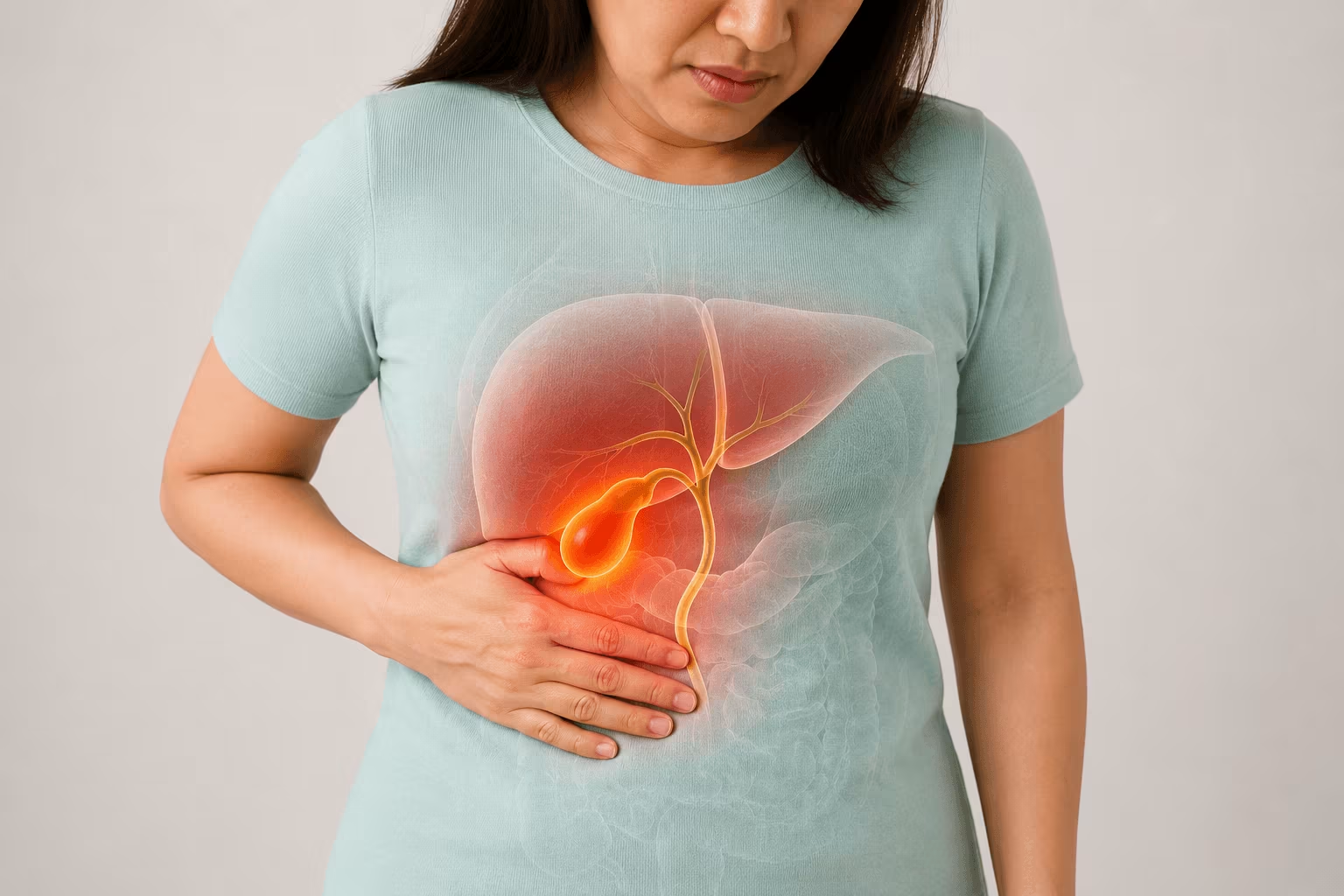


Gallbladder Disease
Gallbladder disease causes belly pain and nausea, often due to gallstones. Learn about symptoms, tests, and treatment options at NorCal Integrity Surgery.
What is the gallbladder and gallbladder disease?
The gallbladder stores bile, a fluid from the liver that helps digest fats. When you eat, the gallbladder squeezes and sends bile into the small intestine.
Gallbladder disease happens when stones, inflammation, infection, poor emptying, or blocked bile ducts interrupt that process. Biliary dyskinesia means the gallbladder does not empty well. Cholecystitis means the gallbladder is inflamed.
Problems can be mild and brief. They can also become serious if a stone blocks a duct or if an infection starts.

Common symptoms
Symptoms can start suddenly or follow a meal, especially a fatty meal. Attacks may last minutes to hours. Some people have repeated episodes. Others have constant pain.
• Pain under the right ribs or in the upper middle belly.
• Pain that goes to the right shoulder or between the shoulder blades.
• Nausea or vomiting.
• Fever or chills, which often mean infection.
• Yellow skin or yellow eyes, called jaundice, which may mean a blocked duct.
• Dark urine or pale stools, which can happen with blocked bile flow.
• Bloating, gas, or diarrhea after meals. These may relate to gallbladder problems.
If pain becomes constant or severe, or if you have fever, jaundice, or ongoing vomiting, seek urgent care.
What causes gallbladder disease?
Most often, gallstones cause the problem. Stones form when bile has too much cholesterol or bilirubin, or when the gallbladder does not empty well. Some cases are due to poor gallbladder function, not stones.
Risk Factors
• Age over 40.
• Female sex and pregnancy.
• Obesity or rapid weight loss.
• Diabetes or certain blood disorders.
• Family history of gallstones.
• Estrogen medicines, like some birth control or hormone therapy.
• Diets high in fat and low in fiber.
Lifestyle Triggers
• Eating fatty meals.
• Rapid weight loss.
• Diets high in fat and low in fiber.

If you have severe or constant belly pain, fever, chills, yellow skin or eyes, dark urine, pale stools, ongoing vomiting, fainting, chest pain, or trouble breathing, get urgent medical care right away.
How gallbladder disease is diagnosed
Diagnosis starts with your symptoms and medical history. Your provider will ask where the pain is, when it happens, and how long it lasts. They will also ask about fever, jaundice, and prior tests. You may need one or more of these tests based on your symptoms and initial results:
• MRCP: An MRI of the bile ducts that gives detailed images without endoscopy.
• ERCP: A procedure that can find and remove stones from the common bile duct.
• Endoscopic ultrasound (EUS): This detects very small stones standard ultrasound may miss.
This looks for gallstones and signs of inflammation. It is usually the first test.
These check for infection, liver problems, and pancreatitis.
This measures how well the gallbladder fills and empties. It gives an ejection fraction number.
This finds other causes of belly pain and possible complications.
Treatment options
Treatment depends on your symptoms, test results, and health risks. Many people with silent gallstones do not need treatment. People can live without a gallbladder. After removal, bile flows directly from the liver into the small intestine.
• Watchful waiting with education about warning signs.
• Diet changes and symptom management, like eating lower-fat meals.
• Antibiotics and hospital care for severe infection or inflammation.
• ERCP to remove stones from the common bile duct when needed.
• Cholecystectomy, surgical removal of the gallbladder. Most are done with small incisions using laparoscopy.
• Oral medicines to dissolve stones, used rarely for selected patients who cannot have surgery.
When is surgery considered?
Laparoscopic cholecystectomy is the usual approach. The final plan depends on your health, past surgeries, and how severe the inflammation is. Some patients need urgent hospital care. Others can schedule outpatient surgery.
Likely good candidates
• Recurrent gallbladder attacks.
• Stones on ultrasound with matching symptoms.
• Acute cholecystitis (gallbladder inflammation).
• Poor gallbladder function on a HIDA scan.
• Gallstone pancreatitis.
• Suspected or confirmed stones in the bile duct.
• Repeated emergency visits for right upper belly pain.
May need further evaluation
• Silent gallstones (no symptoms).
• Watchful waiting with education.
• Symptoms not clearly related to the gallbladder.
Not sure if you qualify?
Dr. Dunn reviews every case personally. Book a consultation and he'll give you an honest answer — even if that answer is "let's get more testing first."
What recovery looks like
Your surgical consultation focuses on careful diagnosis and clear patient education. We review your imaging and lab tests and make a personalized treatment plan.
Your surgeon will review your symptoms, ER notes, imaging, HIDA results, and bloodwork. They will also review your medicines and past surgeries.
We will discuss health conditions that affect anesthesia risk.
The visit determines if symptoms are from the gallbladder, if there are warning signs, and if treatment is likely to help.
The surgeon may recommend watchful waiting, more imaging, coordination with a gastroenterologist, ERCP, or surgery.
Frequently asked questions

Gallbladder disease refers to several issues affecting the small sac under your liver that stores bile. The most common cause is gallstones, which are hardened bits of bile that can block flow. Common symptoms include pain under your right ribs or in the upper middle belly. This pain may spread to your right shoulder or between your shoulder blades. You might also feel nausea or vomit, especially after eating fatty meals. Other signs can include bloating, gas, or diarrhea. While some people have gallstones that never cause problems, others experience repeated attacks or constant pain. Understanding these symptoms is the first step in getting the right care for your health.
To diagnose gallbladder disease, your provider starts by reviewing your symptoms and medical history. They will ask about the location and timing of your pain. An abdominal ultrasound is usually the first test to look for gallstones and signs of inflammation. You may also need blood tests to check for infection or liver problems. Other specialized tests include a HIDA scan to measure how well your gallbladder empties or a CT scan to find other causes of belly pain. In some cases, an MRCP or ERCP may be used to look closely at the bile ducts. These tests help your surgical team determine if your symptoms are truly coming from the gallbladder.
You should consider seeing a specialist if you have recurrent gallbladder attacks, stones on an ultrasound with matching symptoms, or poor gallbladder function. Treatment options depend on your specific test results and health risks. For some, watchful waiting or diet changes may be recommended. However, if you have repeated pain, infection, or gallbladder inflammation, surgery is often considered. Laparoscopic cholecystectomy is the standard surgical approach to remove the gallbladder. This procedure uses small incisions and is very common. People can live healthy lives without a gallbladder because bile will flow directly from the liver into the small intestine. Your surgeon will help you decide if removal or another treatment is the best path forward.
It is important to know when gallbladder problems require immediate attention. You should seek urgent medical care right away if you experience severe or constant belly pain that does not go away. Other warning signs include fever and chills, which often mean you have an infection. Yellowing of the skin or eyes, known as jaundice, is another serious sign that may mean a bile duct is blocked. You should also watch for dark urine, pale stools, or ongoing vomiting. If you feel faint, have chest pain, or have trouble breathing, get help immediately. These symptoms can indicate serious complications like a blocked duct or pancreatitis that need fast evaluation and treatment in a hospital setting.



We don’t hand you discharge papers and call it done. Here’s what we promise—in writing:
How our guarantee works
Off your meds
No more daily antacids or reflux medication within one month of surgery. Most patients are surprised by how quickly they stop reaching for the bottle.
Sleep flat again
Lying flat without reflux within one month, no more propped pillows or elevated bed frames at night. Wake up rested, the way you used to.

Eat your favorites
Enjoy your trigger foods again within one month of your surgery. Spicy food, coffee, wine, back on the table, without the worry.