
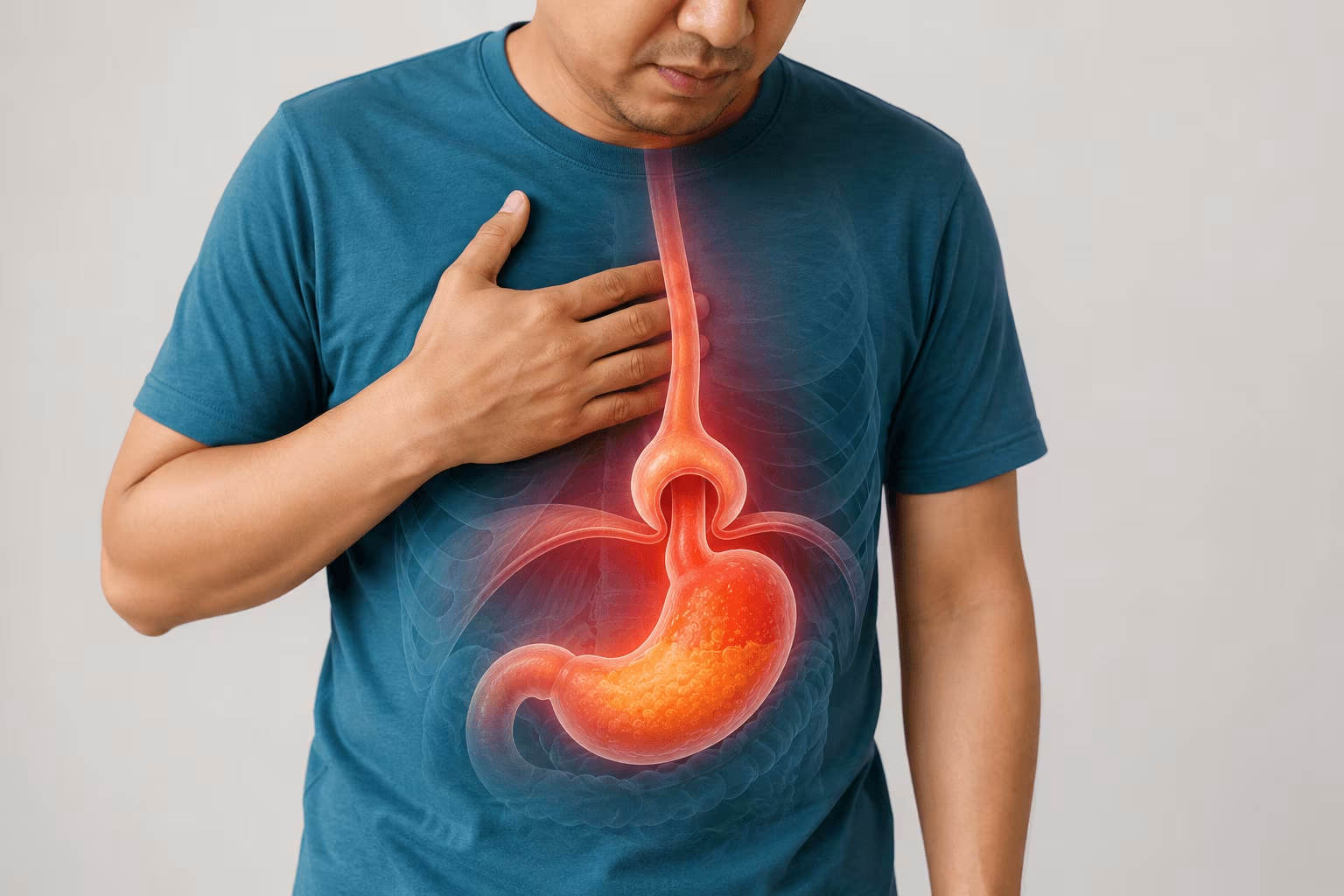


Hiatal Hernia
Learn about hiatal hernia types, symptoms, and treatment options at NorCal Integrity Surgery. Dr. Colin Dunn provides expert care in San Jose.
Brief overview
A hiatal hernia happens when part of the stomach pushes up through the diaphragm. The diaphragm is the muscle that separates the chest from the belly. The esophagus is the tube that connects your mouth to your stomach.
Small hiatal hernias often cause no symptoms. Larger hernias can weaken the anti-reflux barrier and cause reflux or trouble swallowing. Many patients start with lifestyle changes and medicine. Some need more testing or surgery based on their symptoms.
Types of hiatal hernia:
• Type I, sliding: The stomach and junction slide up into the chest. Most common; often linked to reflux.
• Type II, paraesophageal: Part of the stomach moves up beside the esophagus. Can cause pressure or obstruction.
• Type III, mixed: Both the junction and stomach move above the diaphragm. May need detailed testing.
• Type IV, complex paraesophageal: Stomach and another organ move into the chest. Needs specialist surgical care.

Symptoms to watch for
Small hernias can be silent. When symptoms occur they often relate to reflux. Common symptoms include:
• Heartburn or burning in the chest.
• Regurgitation of food or sour fluid.
• Burping, throat irritation, or hoarseness.
• Trouble swallowing or food that feels stuck.
• Early fullness, nausea, or chest and upper belly pressure.
• Shortness of breath with larger hernias.
• Vomiting blood, black stools, or unexplained anemia may signal bleeding.
Chest pain can come from reflux. It can also be a heart problem. Any concerning chest pain should be evaluated urgently.
What causes a hiatal hernia?
A hiatal hernia can occur when the opening in the diaphragm widens. Tissue weakness and repeated pressure increase can also cause it. Prior surgeries and rare congenital differences can also play a role.
Risk Factors
• Age
• Chronic coughing
• Lifting heavy objects
• Obesity
• Pregnancy
Lifestyle Triggers
• Chronic coughing or straining
• Lifting heavy objects
• Obesity or pregnancy
• Smoking
• Eating large meals or lying down after eating

If you have chest pain with shortness of breath, fainting, sweating, jaw or arm pain, vomiting blood, black stools, severe abdominal pain, cannot keep food or liquids down, or experience progressive swallowing difficulty, seek emergency care right away.
How we diagnose a hiatal hernia
Diagnosis starts with a careful history and review of prior tests. We choose tests based on your symptoms and treatment goals. Common tests include CT scans to show anatomy and complications in complex cases, and EndoFLIP to measure how open and stretchy the esophagus-stomach junction is. Not every patient needs every test. We pick tests to answer specific questions about anatomy, reflux, and swallowing.
Views the esophagus and stomach lining for inflammation or ulcers. It also shows the hernia.
Shows hernia size, stomach position, and swallowing anatomy. Helpful for large hernias.
Measures muscle function and coordination of the esophagus. Important before some surgeries.
Measures acid or reflux reaching the esophagus and links it to symptoms.
Treatment options
Treatment depends on hernia type, symptoms, test results, and patient goals. Options include:
• Lifestyle changes: eat smaller meals, avoid lying down after eating, lose weight when appropriate, stop smoking, and raise the head of the bed.
• Medications: antacids, H2 blockers, and proton pump inhibitors reduce stomach acid and ease heartburn. They do not repair the hernia.
• Further testing when symptoms persist or surgery is being considered.
• Hiatal hernia repair: surgery to move the stomach back into the abdomen and tighten the diaphragm opening.
• Anti-reflux procedures: operations such as fundoplication, or options like LINX or TIF depending on anatomy and candidacy.
Medication controls acid and burning. It does not move the stomach back or close the hiatus. Persistent regurgitation, large hernias, or paraesophageal symptoms may lead to surgical evaluation.
When is surgery considered?
Surgery is not required for every hernia. It is often considered when:
Likely good candidates
• A paraesophageal or large hernia causes severe pressure or trouble swallowing.
• There are complications like bleeding, obstruction, or severe reflux-related damage.
• Proven reflux continues despite proper medical therapy.
• The anatomy suggests surgery will better address symptoms than medicine alone.
May need further evaluation
• Persistent regurgitation
• Large hernias
• Paraesophageal symptoms
Not sure if you qualify?
Dr. Dunn reviews every case personally. Book a consultation and he'll give you an honest answer — even if that answer is "let's get more testing first."
What recovery looks like
Repair usually returns the stomach to the abdomen, tightens the hiatus, and often adds an anti-reflux step. The exact plan depends on hernia type, size, and test results. This information guides the safest and most effective surgery.
Repair usually returns the stomach to the abdomen, tightens the hiatus, and often adds an anti-reflux step.
Medication reduces stomach acid and helps heartburn but does not repair the hiatus anatomy.
Smaller meals, weight loss, and avoiding lying down after eating help manage mild reflux symptoms.
<p>Large or complex hiatal hernias can cause chronic bleeding, leading to unexplained anemia. These symptoms typically require a specialist review to assess the need for surgical repair.</p>
Frequently asked questions

A hiatal hernia occurs when the upper part of your stomach pushes through the diaphragm into your chest. The diaphragm is the muscle that separates your belly from your chest. Small hernias often do not cause any symptoms and are found by chance. However, larger hernias can weaken the barrier that prevents reflux. Common symptoms include heartburn, chest pressure, and a sour taste from regurgitation. You might also feel full quickly after eating or have trouble swallowing food. Some people experience burping, throat irritation, or even shortness of breath. These symptoms often happen because the stomach is not in its proper place. Understanding these signs helps you decide when to talk to a doctor about your digestive health.
Doctors use several tests to understand a hiatal hernia and how it affects your body. An upper endoscopy allows a specialist to see the lining of your esophagus and stomach. A barium swallow is another common test where you drink a special liquid so x-rays can show the size and position of the hernia. Your doctor might also suggest esophageal manometry to check how well your muscles work when you swallow. Reflux testing can measure how much acid reaches your esophagus during the day. In complex cases, a CT scan or an EndoFLIP test may be needed to see your anatomy clearly. These tests help your care team create a plan that fits your specific symptoms and health goals.
Treatment for a hiatal hernia depends on your symptoms and the type of hernia you have. Many patients start with lifestyle changes like eating smaller meals or avoiding lying down after eating. Medications can help reduce stomach acid and ease heartburn, but they do not fix the physical hernia. If symptoms like regurgitation or trouble swallowing continue despite medicine, you should consider seeing a specialist. Surgery may be an option to move the stomach back into the belly and tighten the opening in the diaphragm. A specialist can review your test results to see if a surgical repair or an anti-reflux procedure is the right next step for you. Seeking expert care ensures you receive the most effective treatment for your condition.
It is important to know when a hiatal hernia requires immediate medical attention. Seek emergency care right away if you have severe chest pain, shortness of breath, or pain that spreads to your jaw or arm. Other urgent signs include vomiting blood, having black stools, or experiencing severe belly pain. You should also get help if you cannot keep any food or liquids down. Large hernias can sometimes cause the stomach to twist or become blocked, which is a serious complication. When you visit a specialist for a routine check, expect a thorough review of your health history and prior tests. They will focus on finding the cause of your symptoms and explaining the safest options to help you feel better and avoid future health problems.



We don’t hand you discharge papers and call it done. Here’s what we promise—in writing:
How our guarantee works
Off your meds
No more daily antacids or reflux medication within one month of surgery. Most patients are surprised by how quickly they stop reaching for the bottle.
Sleep flat again
Lying flat without reflux within one month, no more propped pillows or elevated bed frames at night. Wake up rested, the way you used to.

Eat your favorites
Enjoy your trigger foods again within one month of your surgery. Spicy food, coffee, wine, back on the table, without the worry.