
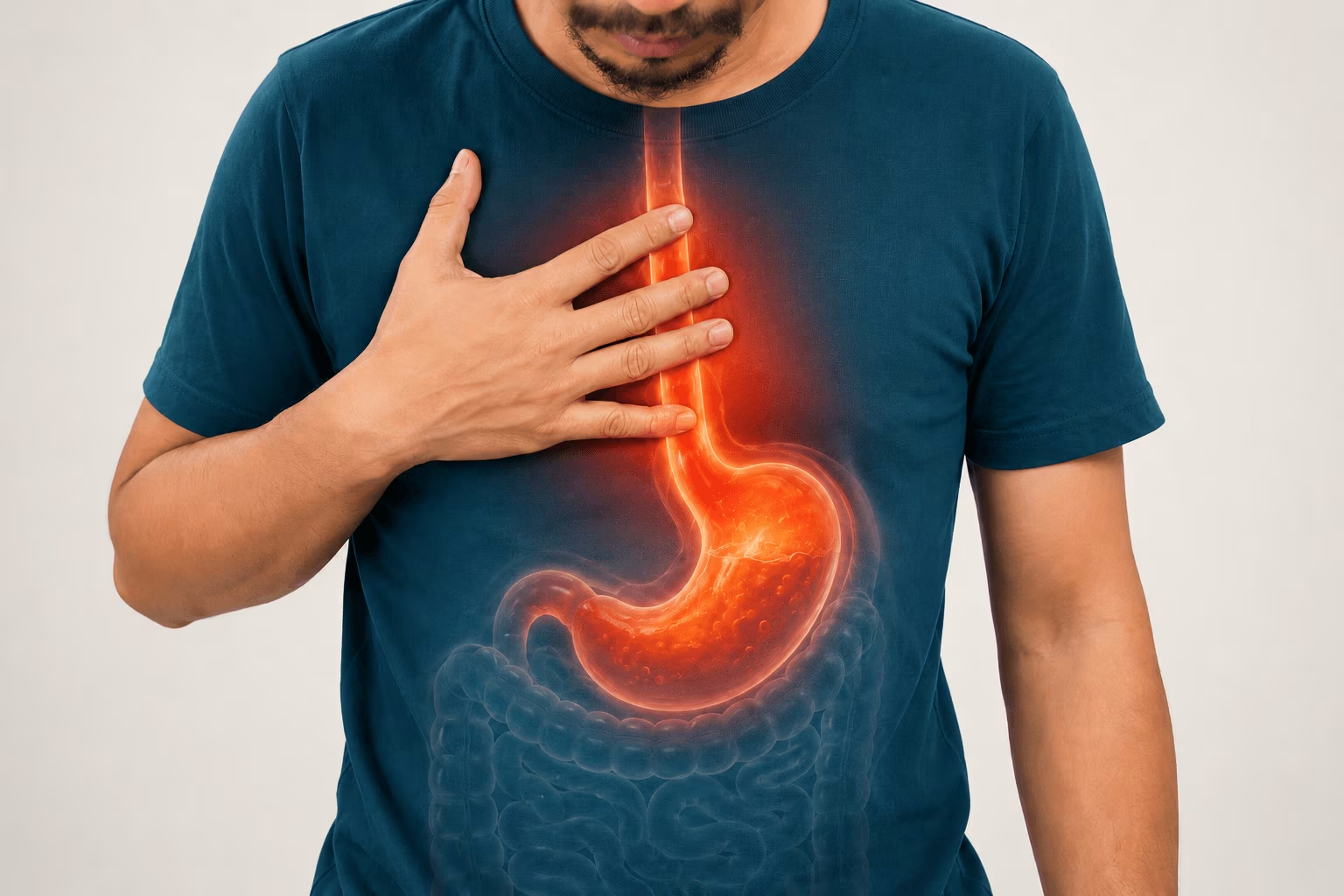


GERD & Acid Reflux
Chronic heartburn, regurgitation, and nighttime reflux can be signs of GERD. Learn about symptoms, testing, and treatment options with NorCal Integrity Surgery.
GERD and Acid Reflux: What You Should Know
Occasional heartburn is common. GERD, or gastroesophageal reflux disease, is different. It means stomach contents repeatedly flow back into the esophagus and cause symptoms or injury.
The esophagus is the tube that carries food from your mouth to your stomach. GERD often happens when the lower esophageal sphincter, the valve between the esophagus and stomach, is weak or relaxes at the wrong time.
Many people start with lifestyle changes and acid-suppressing medicine. If symptoms keep coming back, do not fully respond to medicine, or return when medicine stops, further testing may be needed.

Common GERD Symptoms
The two most common symptoms are heartburn, a burning feeling in the chest after eating, at night, or when lying down, and regurgitation, when food, liquid, or sour material comes back into the throat or mouth.
Other symptoms can include chest or upper-belly discomfort, a lump-in-the-throat feeling, nausea, trouble swallowing, coughing, throat clearing, and hoarseness. Nighttime symptoms are also common.
These symptoms can overlap with other conditions. How often they happen and how they respond to treatment are important details.
Why GERD Happens and What Can Make It Worse
GERD usually comes from a mix of valve weakness, anatomy, pressure, and digestion issues. A hiatal hernia, where part of the stomach moves up through the diaphragm, can weaken the normal barrier to reflux.
GERD is not always just too much acid. Symptoms can come from acidic reflux, weakly acidic or non-acid reflux, slow clearing of refluxed material, a sensitive esophagus, delayed stomach emptying, or an anatomic problem.
Risk Factors
• A hiatal hernia
• Excess body weight or increased pressure in the abdomen
• Pregnancy
• Slow stomach emptying
• Smoking
Lifestyle Triggers
• Large or late meals, especially within two to three hours of lying down
• Alcohol, coffee, fatty foods, peppermint, chocolate, or other foods that trigger symptoms for you
• Lying down soon after eating
• Some medicines. Talk with the clinician who prescribed them before making changes.

Important: Trouble swallowing, food sticking, vomiting, bleeding, unexplained weight loss, anemia, or symptoms that are getting worse need prompt medical evaluation.
How GERD Is Diagnosed
Diagnosis starts with a careful symptom history, medicine review, and physical exam. Many people with typical symptoms and no alarm signs start with lifestyle changes and a trial of a proton pump inhibitor, or PPI. A PPI is a common acid-suppressing medicine.
If symptoms persist, are unclear, or a procedure is being considered, objective testing is important. There is no single perfect test. Doctors use symptoms, endoscopy, reflux testing, and motility testing together.
A camera test that looks for inflammation, narrowing, Barrett’s esophagus, and a hiatal hernia.
Measures acid exposure and reflux events. Impedance testing can also detect weakly acidic and non-acid reflux.
Checks esophageal muscle function and swallowing coordination. It is an important part of evaluation before many anti-reflux procedures.
These tests may help show anatomy, swallowing mechanics, or how the esophagus-stomach junction is functioning in selected cases.
GERD Treatment Options
Treatment is personalized. The right plan depends on your symptoms, test results, and goals. Lifestyle and diet measures may help, including weight management, avoiding meals close to bedtime, raising the head of the bed, finding trigger foods, and stopping smoking.
Medicines range from antacids and H2 blockers to prescription PPIs. Some people need short-term medicine, while others need a long-term lower dose if symptoms return.
Endoscopic and surgical options exist for selected patients with proven reflux or an anatomy problem. Options can include TIF, fundoplication, or the LINX magnetic device. Your specialist will explain which option, if any, fits you.
When to Talk With a GERD Specialist
A specialist evaluation can help when symptoms are frequent, persistent, or unclear. The goal is to understand whether GERD is present, whether anatomy is contributing, and whether the esophagus is safe for a procedure.
Surgery can help the right patient, but surgery should not be based on symptoms alone. Objective testing helps avoid the wrong treatment path.
Likely good candidates
• Heartburn, regurgitation, or nighttime reflux that happens often or disrupts sleep
• Symptoms that continue despite appropriate medicine or return when medicine stops
• Ongoing regurgitation, a known hiatal hernia, or questions about long-term medication
• A desire to understand whether a procedure could be appropriate
May need further evaluation
• Trouble swallowing or food sticking
• Vomiting, bleeding, unexplained weight loss, or anemia
• Chest pain with shortness of breath, sweating, fainting, or pain that moves to the jaw or arm. Seek emergency care for these symptoms.
Not sure if you qualify?
Dr. Dunn reviews every case personally. Book a consultation and he'll give you an honest answer — even if that answer is "let's get more testing first."
What recovery looks like
Recovery looks different depending on your treatment plan. Lifestyle changes and medicine do not have a procedure-recovery period. If an endoscopic or surgical procedure is recommended, your care team will explain how to prepare and what to expect afterward.
Your instructions may include diet progression, activity guidance, medicine changes, and follow-up visits. The details depend on the procedure, your health, and the reason treatment was recommended.
If a procedure is recommended, your team will review testing, medicines, arrival instructions, and any food or drink restrictions before treatment.
Your care team will explain what to eat and drink, which medicines to take or avoid, and how the plan changes as you heal.
Activity guidance varies by procedure and person. Ask your care team when it is appropriate to return to work, exercise, and regular activities.
Attend follow-up visits and contact the team if you have concerns or symptoms that are not improving as expected.
GERD and Acid Reflux FAQs

No. Occasional heartburn can happen after a large meal or certain foods. GERD is more likely when symptoms happen often, disrupt sleep, return when medicine is stopped, or come with regurgitation or swallowing problems. A medical evaluation can help identify the cause.
Testing may be helpful when symptoms continue despite treatment, are not clearly caused by reflux, or when a procedure is being considered. Endoscopy, reflux testing, and esophageal manometry can each answer different questions.
Reflux can be associated with irritation or narrowing of the esophagus, but trouble swallowing can also have other causes. Food sticking, pain with swallowing, weight loss, vomiting, or bleeding should be evaluated promptly.
A procedure may be discussed for selected patients with proven reflux, a hiatal hernia, ongoing regurgitation, or symptoms that do not respond well to medicine. Objective testing and an individual evaluation help determine whether a procedure is appropriate.



We don’t hand you discharge papers and call it done. Here’s what we promise—in writing:
How our guarantee works
Off your meds
No more daily antacids or reflux medication within one month of surgery. Most patients are surprised by how quickly they stop reaching for the bottle.
Sleep flat again
Lying flat without reflux within one month, no more propped pillows or elevated bed frames at night. Wake up rested, the way you used to.

Eat your favorites
Enjoy your trigger foods again within one month of your surgery. Spicy food, coffee, wine, back on the table, without the worry.