
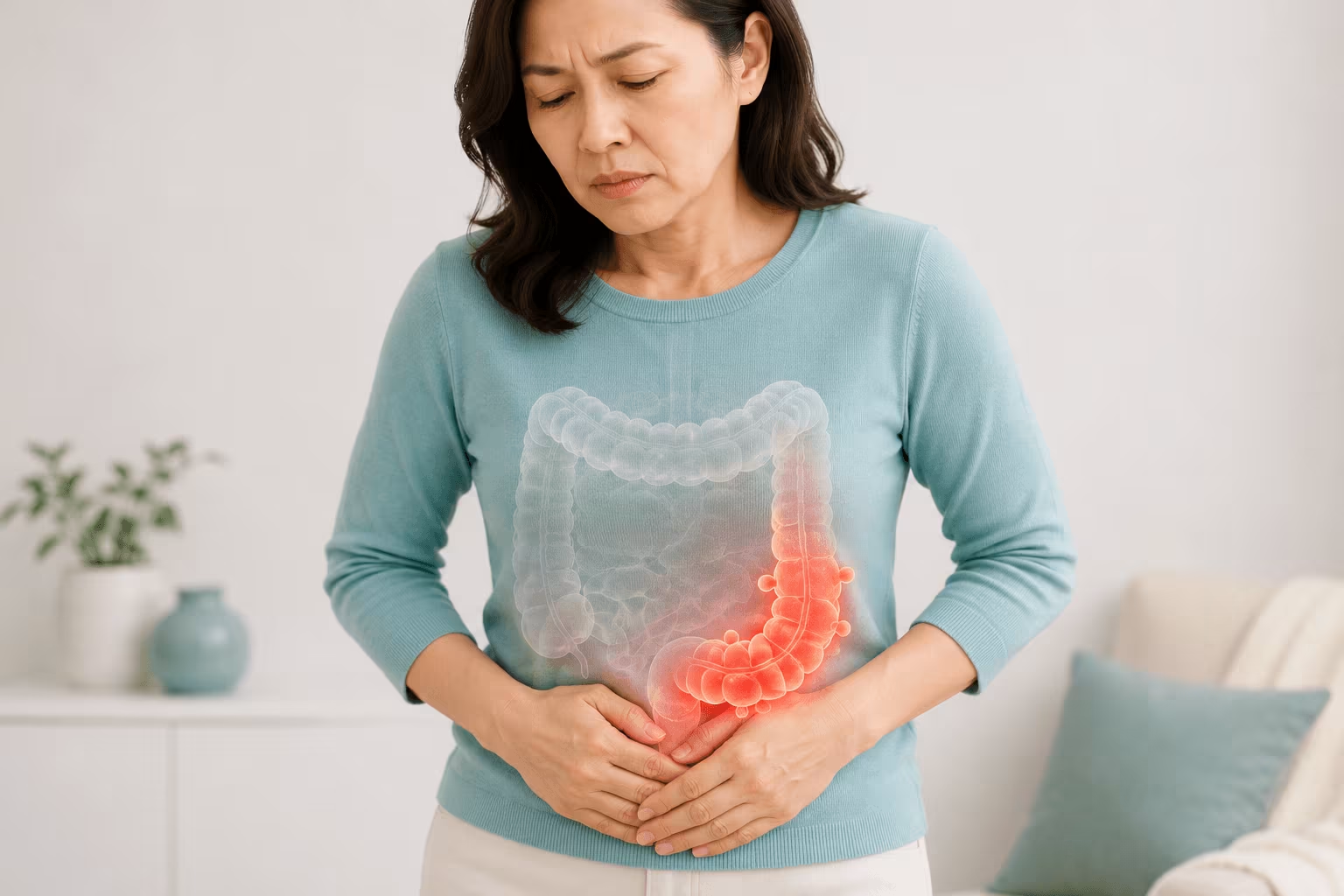


Colon & Diverticulitis
Diverticulitis is inflammation of pouches in the colon wall. Dr. Colin Dunn at NorCal Integrity Surgery evaluates symptoms, imaging, and surgery options.
What is diverticulitis?
Diverticula are small pouches in the colon wall. Having pouches is called diverticulosis. Diverticulitis is inflammation or infection of a pouch.
It causes belly pain, fever, and bowel changes. It can also cause abscess, perforation, or other problems.

Common symptoms
Diverticulitis most often causes lower belly pain. Many people feel pain on the lower left side. Pain can occur in other areas too.
Other common symptoms:
• Fever or chills.
• Nausea or vomiting.
• Constipation or diarrhea.
• Bloating or belly swelling.
• Rectal bleeding.
• Urinary irritation like urgency or burning.
• A very tender or rigid belly. This may signal danger.
Uncomplicated versus complicated diverticulitis
Telling uncomplicated from complicated disease guides care. Imaging and clinical evaluation place your episode into a category. That category then guides the treatment plan.
Risk Factors
• Diverticulosis: Pouches are present, but no active inflammation.
• Uncomplicated diverticulitis: Inflammation without major problems like abscess or perforation.
• Abscess: A pocket of infection next to the colon.
• Fistula: An abnormal connection between the colon and another organ.
• Stricture or obstruction: Scarring or swelling that narrows or blocks the colon.
• Perforation or peritonitis: A hole or leak that spreads infection in the belly.
Lifestyle Triggers
• Low fiber diet.
• Lack of fruits and vegetables.
• Lack of whole grains.

Medical Emergency: Go to urgent care or the emergency room for severe belly pain, vomiting, fever, fainting, or heavy bleeding. Seek immediate care if you cannot pass gas or stool, or if you have a rigid belly.
How diverticulitis is diagnosed
Diagnosis starts with your history and a physical exam. We will ask about pain, fever, and bowel changes. We will also ask about prior episodes and treatments. Imaging and exam help find the correct cause.
<p>We review your symptoms and perform a physical exam to check for belly tenderness or swelling.</p>
<p>A CT scan of the abdomen and pelvis is often the best test to confirm diverticulitis and find complications. It shows which colon segment is involved.</p>
<p>These tests check for signs of infection and ensure your kidneys are functioning properly.</p>
<p>This is usually done after recovery for cancer screening or if the diagnosis is unclear. It is avoided during an active flare because the inflamed colon is more fragile.</p>
Treatment options
Treatment depends on severity, your overall health, and whether complications are present. Care is individualized.
Common options include:
• Outpatient care with close follow-up for stable patients.
• Short clear liquid or soft diet during a flare.
• Antibiotics when indicated for complicated disease or high-risk patients.
• Hospital care for IV fluids and stronger pain control.
• Image-guided drainage of some abscesses.
• Colon surgery (colectomy) for selected cases.
When is surgery considered?
We discuss surgery when nonoperative care may not be best. Elective surgery aims to solve a defined problem. We weigh benefits against risks for each patient.
Likely good candidates
• An abscess that required drainage.
• A fistula creating an abnormal connection to another organ.
• A stricture or obstruction causing symptoms.
• Free perforation or peritonitis.
• Recurrent severe attacks or frequent emergency visits.
• Persistent symptoms that limit daily life after recovery.
May need further evaluation
• Uncomplicated cases that avoid routine antibiotics.
• Recurrent cases that do not need surgery.
• Patients who leave with reassurance and a watch plan.
Not sure if you qualify?
Dr. Dunn reviews every case personally. Book a consultation and he'll give you an honest answer — even if that answer is "let's get more testing first."
What recovery looks like
A consultation reviews diagnosis, disease pattern, and options. This is a time to ask questions and plan next steps with Dr. Colin Dunn.
<p>Bring CT reports and images. Hospital discharge summaries and colonoscopy reports are also helpful.</p>
<p>Provide a list of past flare dates and treatments you have received.</p>
<p>Bring a list of current medicines and your general medical history.</p>
<p>We discuss the number of past episodes, CT findings, and recovery expectations.</p>
Frequently asked questions

Diverticulitis happens when small pouches in your colon wall, called diverticula, become inflamed or infected. While many people have these pouches without issues, an infection can cause significant discomfort. The most common symptom is pain in the lower belly, which often occurs on the lower left side. You might also experience fever, chills, nausea, or vomiting. Other signs include changes in your bowel habits, such as constipation or diarrhea, and belly bloating. Some people also notice rectal bleeding or urinary irritation like burning. It is important to distinguish this condition from others like kidney stones or appendicitis, as the symptoms can sometimes feel very similar.
To evaluate your condition, your doctor will start with a physical exam and a review of your medical history. They will ask about your pain, fever, and past episodes. A CT scan of the abdomen and pelvis is often the most important test. This imaging helps confirm the diagnosis and shows if there are complications like an abscess or a leak. Blood and urine tests may also be used to check for infection. In many cases, a colonoscopy is recommended after you have recovered to screen for other problems. However, this test is usually avoided during a flare because the colon is more fragile when it is inflamed.
Treatment for diverticulitis depends on the severity of your symptoms and your overall health. Many uncomplicated cases are managed with rest, diet changes, and pain control. While some patients need antibiotics, others may recover without them. If your condition is more severe, you might require hospital care for fluids and stronger medicine. You should consider a surgical consultation if you have recurrent attacks or complications like a blockage or an abnormal connection called a fistula. A specialist like Dr. Dunn can help you weigh the risks and benefits of surgery. The goal of a consultation is to review your options and create a plan that is right for your specific situation.
You should seek emergency care immediately if you experience severe abdominal pain, high fever, or persistent vomiting. Other urgent warning signs include a very tender or rigid belly, fainting, or heavy rectal bleeding. You must also get help if you are unable to pass gas or stool, as these could signal a serious blockage or leak. During a consultation, you can expect a detailed review of your CT scans and medical history. Your surgeon will discuss the number and severity of your past episodes to determine the best next steps. Some patients may only need a watch plan, while others might require a specific procedure to prevent future health problems.



We don’t hand you discharge papers and call it done. Here’s what we promise—in writing:
How our guarantee works
Off your meds
No more daily antacids or reflux medication within one month of surgery. Most patients are surprised by how quickly they stop reaching for the bottle.
Sleep flat again
Lying flat without reflux within one month, no more propped pillows or elevated bed frames at night. Wake up rested, the way you used to.

Eat your favorites
Enjoy your trigger foods again within one month of your surgery. Spicy food, coffee, wine, back on the table, without the worry.