
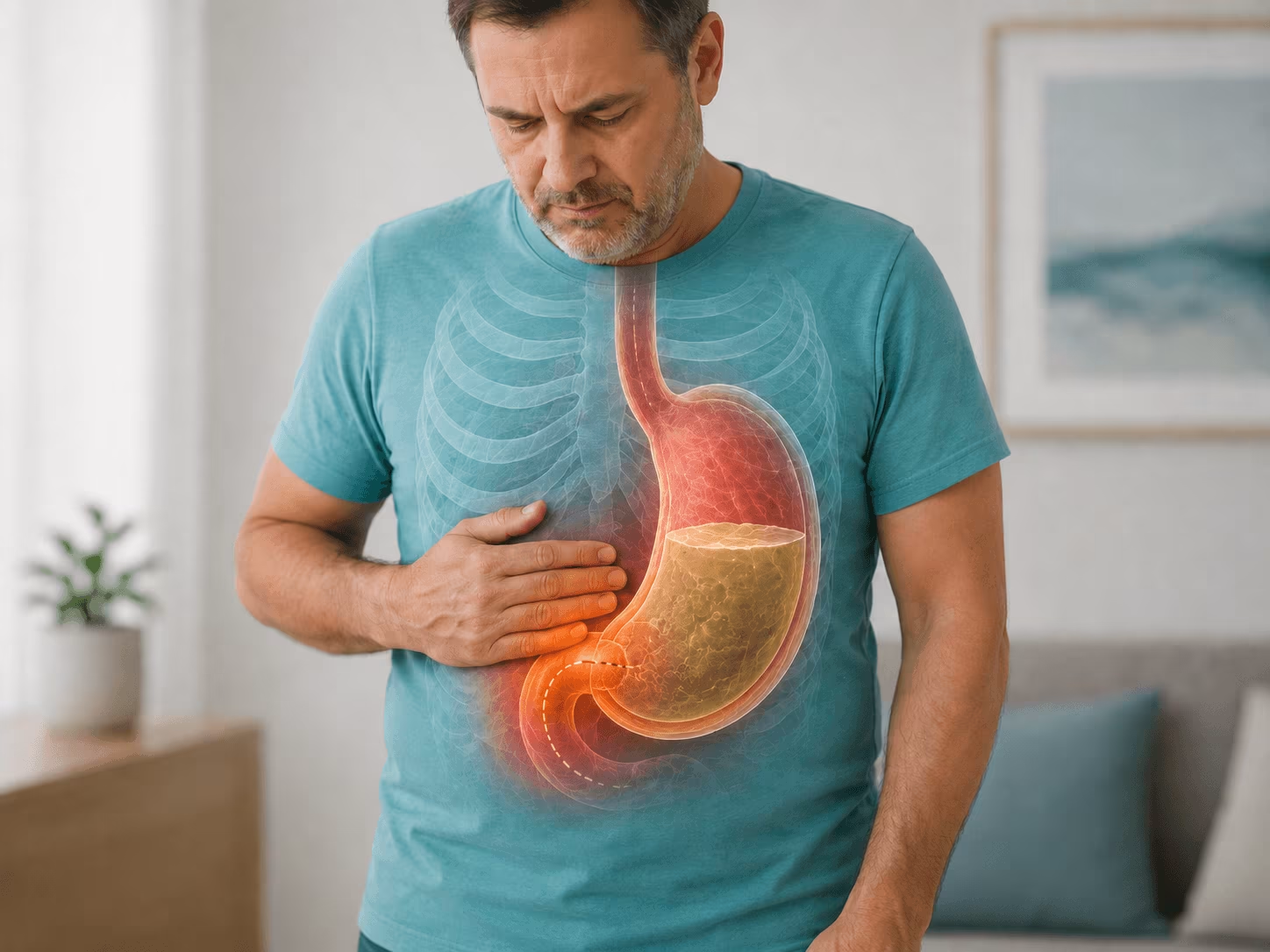


Gastroparesis & GPOEM
Gastroparesis is slow stomach emptying without a blockage. Symptoms include nausea, vomiting, and early fullness. Specialist evaluation helps diagnosis.
What is gastroparesis?
Gastroparesis is slow stomach emptying without a blockage. Normally the stomach grinds food and sends it forward in small amounts. In gastroparesis that process runs slower than expected.
A formal diagnosis needs three things. You must have symptoms that fit the condition. You need a test showing slow emptying. You must also have no mechanical blockage.

Common symptoms
Symptoms often occur during or after meals. They vary by person. Some people have mild symptoms. Others have severe eating and hydration problems.
• Early fullness: feeling full after a few bites.
• Prolonged fullness: food seems to sit for hours.
• Nausea and vomiting: feeling sick or throwing up undigested food.
• Bloating: the upper belly feels swollen or tight.
• Upper abdominal discomfort: pressure, aching, or pain after meals.
• Food intolerance and weight loss: tolerating fewer foods or eating less.
Some patients also have problems with hydration, nutrition, or blood sugar control.
What causes gastroparesis?
Several factors can cause or contribute to slow emptying. A careful history, including medicines and prior surgery, is important.
Risk Factors
• Diabetes: Longstanding high blood sugar can harm nerves that control the stomach.
• Prior stomach or upper GI surgery: Surgery can change anatomy or nerve signals.
• Medications: Opioids, some diabetes drugs, and other medicines can slow emptying.
• After a viral illness or with no clear cause: Symptoms can begin without a trigger.
• Other nerve or systemic diseases: Some diseases affect digestion more widely.
• Mechanical problems: Narrowing, scar tissue, or tumors must be ruled out first.
Lifestyle Triggers
• Opioids and certain diabetes medications.
• Large or high-fat meals.

Metoclopramide is the only U.S. FDA-approved medicine specific to gastroparesis. It carries a risk of serious side effects. Do not start, stop, or change prescriptions without clinician guidance.
Seek urgent care if you cannot keep down fluids or show dehydration signs. Also seek immediate care for severe or worsening belly pain or fainting. Get help for blood in vomit or stool, persistent fever, or chest pain. A website cannot determine whether your symptoms are an emergency.
How gastroparesis is diagnosed
Diagnosis combines symptoms, tests, and ruling out obstruction. Dr. Dunn interprets results together with your symptoms and studies.
Review of symptoms, medication, and diabetes history to find contributing factors.
Used to check for retained food, narrowing, ulcers, or blockage.
Measures how quickly food leaves the stomach by tracking a light meal with a small tracer.
CT scan or other imaging if another abdominal problem is suspected.
Treatment options
Treatment is personalized to cause, symptoms, and nutrition needs. Most people start with non-procedural care.
• Diet changes: Smaller, more frequent meals and low-fat choices.
• Hydration and nutrition planning to prevent weight loss.
• Diabetes management and medication review.
• Anti-nausea strategies and prokinetic medicines.
Procedures are considered only for selected patients. Some target the pylorus, the valve at the stomach exit.
When advanced treatment or GPOEM may be discussed
GPOEM stands for gastric peroral endoscopic myotomy. It is an endoscopic procedure aimed at the pylorus, the valve where the stomach empties into the intestine. Evaluation does not automatically mean a procedure is recommended.
Likely good candidates
• Confirmed delayed emptying on testing.
• Mechanical obstruction has been excluded.
• Severe and persistent symptoms despite conservative care.
• The pylorus is likely involved based on tests.
May need further evaluation
• Normal emptying results where other causes should be considered.
• Incomplete or nonstandard test results requiring repeat testing.
• Cases where symptoms do not fit the clinical picture for GPOEM.
Not sure if you qualify?
Dr. Dunn reviews every case personally. Book a consultation and he'll give you an honest answer — even if that answer is "let's get more testing first."
What recovery looks like
Gastroparesis involves stomach function, reflux, prior surgery, diabetes, and nutrition. That complexity affects diagnosis and treatment choices. Careful evaluation lowers the risk of missing another problem or assuming every meal symptom is gastroparesis.
Dr. Colin Dunn focuses on foregut and stomach care, offering minimally invasive and advanced endoscopic treatments.
Review of anatomy, imaging, endoscopy, reflux testing, and prior operations to ensure an accurate plan.
Careful evaluation lowers the risk of missing another problem or assuming every meal symptom is gastroparesis.
The plan may include more testing, medical care, or nutrition help based on your unique history and test results.
Frequently asked questions

Gastroparesis is a condition where your stomach empties food much slower than it should. This happens even when there is no physical blockage in your digestive system. Normally, your stomach grinds up food and sends it to your intestines in small amounts. With this condition, that process runs slower than expected. Common symptoms include feeling full after just a few bites, which is called early fullness. You might also experience nausea, vomiting, or bloating that makes your upper belly feel tight or swollen. Some patients also notice weight loss because they cannot tolerate many foods. These symptoms often happen during or after your meals and can range from mild to very severe.
To diagnose gastroparesis, your doctor will look for three main things. First, you must have symptoms that fit the condition. Second, you need a test that shows your stomach is emptying slowly. Third, your doctor must make sure there is no physical blockage causing the delay. A common test is a gastric emptying study. During this test, you eat a light meal with a small tracer. A scanner then tracks how fast your stomach clears that meal. Other steps might include an upper endoscopy to check for ulcers or blockages and a review of your medical history. Bringing your prior test results and medication lists to your appointment helps your specialist create a personalized care plan for you.
Treatment for gastroparesis is personalized based on your symptoms and nutrition needs. Most people start with non-procedural care. This often includes diet changes like eating smaller, more frequent meals that are low in fat. Your doctor may also review your medications to see if any are slowing your digestion. If you have diabetes, managing your blood sugar is a key part of treatment. Some patients use medicines to help their stomach muscles move or to control nausea. Procedures like GPOEM are only considered for specific patients whose symptoms continue despite other treatments. Because this condition involves complex factors like nutrition and prior surgeries, a specialist evaluation is important to determine the best next steps for your health.
You should seek urgent medical care immediately if you cannot keep down fluids or show signs of dehydration. It is also important to get help right away if you experience severe or worsening belly pain or if you feel like you might faint. Other warning signs that require immediate attention include seeing blood in your vomit or stool, having a persistent fever, or feeling chest pain. While specialist consultations are helpful for managing long-term symptoms like bloating or nausea, they are not for emergencies. If you are unsure about your symptoms, always err on the side of caution and visit an emergency room. A website cannot determine if your situation is a medical emergency, so please act quickly if you feel unsafe.



We don’t hand you discharge papers and call it done. Here’s what we promise—in writing:
How our guarantee works
Off your meds
No more daily antacids or reflux medication within one month of surgery. Most patients are surprised by how quickly they stop reaching for the bottle.
Sleep flat again
Lying flat without reflux within one month, no more propped pillows or elevated bed frames at night. Wake up rested, the way you used to.

Eat your favorites
Enjoy your trigger foods again within one month of your surgery. Spicy food, coffee, wine, back on the table, without the worry.