
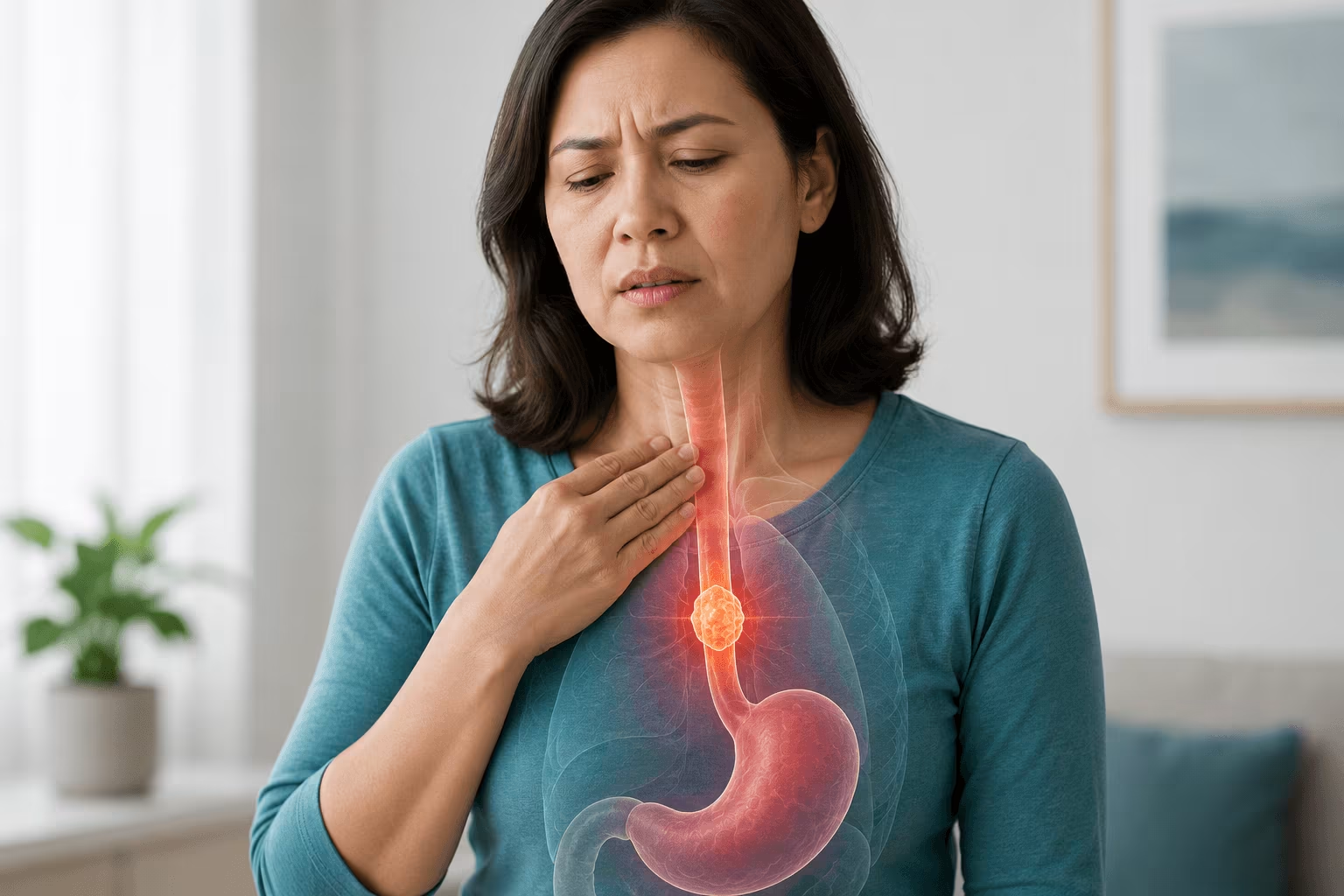


Esophageal Cancer
Esophageal cancer starts in the esophagus lining. Learn about staging, treatment like esophagectomy, and when to seek prompt or urgent medical care.
Quick overview
Esophageal cancer starts when abnormal cells grow in the esophagus, the muscular tube that moves food to the stomach. The two main types are squamous cell carcinoma, which starts in the lining cells, and adenocarcinoma, which often begins in the lower esophagus and may be linked to Barrett’s esophagus from chronic acid reflux.
At NorCal Integrity Surgery, we focus on careful staging to show how far the cancer has spread. We work with a multidisciplinary team to create a tailored plan considering tumor type, location, nutrition, and overall health. Surgery may be part of the plan alongside options like endoscopic therapy, chemotherapy, radiation, immunotherapy, and targeted therapy.

Symptoms and evaluation
Most people with heartburn or mild swallowing trouble do not have cancer; these symptoms often stem from reflux, hiatal hernia, or motility problems. However, persistent or worsening symptoms should always be checked. If swallowing is your main symptom, ask about a dysphagia evaluation, or GERD testing if symptoms resemble chronic acid reflux.
Common warning signs
Esophageal cancer can cause symptoms that resemble common reflux or swallowing problems. Most people with these symptoms do not have cancer, but persistent or worsening symptoms should be evaluated.
Risk Factors
• Trouble swallowing that worsens over time
• Food sticking in the chest or throat
• Unintended weight loss
• Chest pain, pressure, or burning
• Worsening indigestion or heartburn
• Hoarseness or a chronic cough
• Vomiting after eating
Lifestyle Triggers
• Trouble swallowing that worsens over time
• Food sticking in the chest or throat
• Unintended weight loss
• Ongoing vomiting after eating
• Anemia or persistent fatigue
• Hoarseness or a chronic cough

How esophageal cancer is diagnosed
Diagnosis starts with a medical history, physical exam, and review of prior tests. Upper endoscopy (EGD) is central, allowing the doctor to inspect the esophagus and take biopsy samples. Pathology then confirms the cancer and its type. Other tests like bronchoscopy, barium swallow, or manometry may be used in select cases, but a biopsy is required when cancer is suspected.
A central test where a flexible camera is used to inspect the esophagus and take tissue samples to confirm the cancer diagnosis.
Scans of the chest, abdomen, and pelvis help determine if the cancer has spread to lymph nodes or other organs.
Evaluates the depth of the tumor and nearby lymph nodes, which is essential for local staging and surgical planning.
Tests for tumor features like HER2 or PD-L1 to guide therapy, along with assessments of weight and swallowing to ensure treatment tolerance.
Treatment options
The best plan often combines several options determined by a multidisciplinary team. Treatment depends on the stage, tumor type, location, and overall health.
• Endoscopic therapy: For select very early cancers or high-grade dysplasia using resection or ablation.
• Surgery: Esophagectomy removes part or all of the esophagus for localized or locally advanced cancers.
• Chemotherapy and Radiation: Used before or after surgery, or alone for cure or symptom control.
• Immunotherapy or Targeted Therapy: Guided by biomarker testing results.
• Supportive and Palliative Care: To manage swallowing, pain, and nutrition at any stage.
When to seek prompt or urgent care
Go to an emergency department immediately for urgent symptoms like vomiting blood or inability to swallow liquids. Schedule a prompt clinic appointment for persistent signs like progressive swallowing trouble or unexplained weight loss.
Likely good candidates
• Mild heartburn
• Occasional swallowing trouble
May need further evaluation
• Progressive swallowing trouble
• Unexplained weight loss
• Persistent vomiting after eating
• Anemia
• Persistent hoarseness or cough
Not sure if you qualify?
Dr. Dunn reviews every case personally. Book a consultation and he'll give you an honest answer — even if that answer is "let's get more testing first."
What recovery looks like
An esophagectomy removes part or all of the esophagus and rebuilds the digestive tract, usually using the stomach as a conduit. Because this is a complex major operation, centers with high-volume experience tend to have better outcomes. Recovery can be challenging and requires careful coordination by an experienced team.
Major surgery risks include bleeding, infection, blood clots, lung problems, voice changes, and potential leaks at the reconstruction site.
Recovery may involve esophageal narrowing, reflux, delayed stomach emptying, or nutritional challenges requiring feeding-tube support.
Good nutrition is vital; some patients need temporary or long-term feeding-tube support (gastrostomy or jejunostomy) to maintain strength.
We evaluate tumor location, resectability, and fitness to decide if chemotherapy or radiation is needed before surgery to improve outcomes.
Frequently asked questions

Esophageal cancer starts when abnormal cells grow in the muscular tube that moves food to your stomach. Common warning signs include trouble swallowing that worsens over time or feeling like food is sticking in your throat. Some people also notice unintended weight loss, chest pressure, or chronic coughing. While many people with heartburn do not have cancer, persistent symptoms like worsening indigestion should be checked by a doctor. If you have progressive difficulty swallowing solids then liquids, it may indicate a narrowing tumor. Early diagnosis and staging are essential before choosing a treatment plan. Understanding these symptoms helps you and your care team decide when more testing is needed to find the cause.
Diagnosis usually begins with a medical history and physical exam. An upper endoscopy is the central test used to find esophageal cancer. During this exam, a doctor uses a thin camera to inspect the esophagus and take small tissue samples called biopsies. If a biopsy confirms cancer, staging tests are next to see if the disease has spread. Common tests include CT scans of the chest and abdomen to look at lymph nodes or organs. A PET scan can find areas of active tumor, while an endoscopic ultrasound checks how deep the tumor goes into the esophageal wall. These tests guide your doctors in creating a tailored treatment plan that fits your specific health needs.
Treatment depends on the stage, tumor location, and your overall health. Options may include endoscopic therapy for very early cancers or surgery to remove part of the esophagus. This operation is called an esophagectomy. Many patients also receive chemotherapy or radiation therapy, sometimes before surgery to help shrink the tumor. At NorCal Integrity Surgery, we focus on the surgical role within a coordinated cancer plan. Because these operations are complex, they should be discussed with an experienced team. Your care may involve a multidisciplinary group, including surgeons, oncologists, and nutritionists. This team approach ensures that all aspects of your care, from nutrition to tumor features, are considered when choosing the best path forward.
While many esophageal symptoms can be managed in a clinic, some situations require immediate attention. You should go to an emergency department if you are vomiting blood or have black, tarry stools. Other urgent warning signs include being unable to swallow liquids, having trouble breathing, or feeling severe chest or abdominal pain. Fainting and sudden confusion also require rapid evaluation. For less urgent but persistent issues like progressive swallowing trouble or unexplained weight loss, you should make a prompt clinic appointment. Good nutrition is vital for recovery, so your team will monitor your ability to eat and drink throughout your care. Seeking help early for these alarm features is critical for your safety and health.



We don’t hand you discharge papers and call it done. Here’s what we promise—in writing:
How our guarantee works
Off your meds
No more daily antacids or reflux medication within one month of surgery. Most patients are surprised by how quickly they stop reaching for the bottle.
Sleep flat again
Lying flat without reflux within one month, no more propped pillows or elevated bed frames at night. Wake up rested, the way you used to.

Eat your favorites
Enjoy your trigger foods again within one month of your surgery. Spicy food, coffee, wine, back on the table, without the worry.