


Stomach Cancer
Learn about stomach cancer (gastric cancer), its symptoms, diagnosis using endoscopy, and treatment options including surgery like gastrectomy.
Short answer
Stomach cancer, also called gastric cancer, usually needs an upper endoscopy with biopsy to be diagnosed. Endoscopy uses a thin tube with a camera to look inside your stomach and take tissue samples. A biopsy is the only way to confirm cancer.
After a biopsy shows cancer, doctors run tests to learn the stage, such as CT scans and endoscopic ultrasound. Treatment is not one-size-fits-all. Some people have surgery, while others need chemotherapy, immunotherapy, radiation, or targeted drugs. Your tumor location, depth, and spread matter, as do your overall health and nutrition.
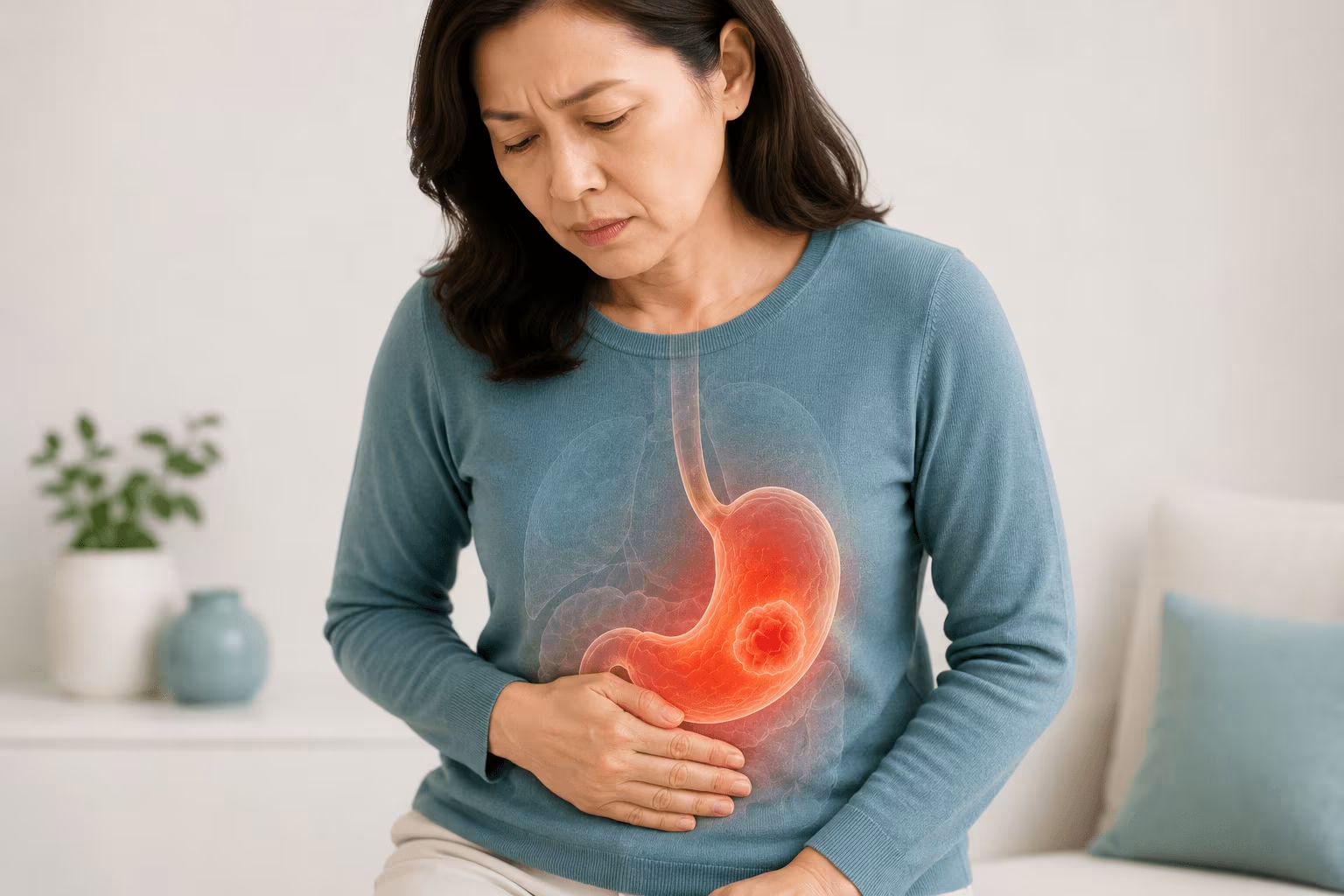
Stomach cancer starts when abnormal cells in the stomach lining grow out of control and form a tumor. Most are adenocarcinomas, starting in mucus-producing cells. Because the stomach sits near many organs, tumors can affect nearby organs or lymph nodes.

Symptoms that may lead to evaluation
Early stomach cancer may not cause symptoms. When symptoms occur, they often feel like reflux, ulcers, or gastritis. Most people with these symptoms do not have stomach cancer. Still, persistent, worsening, or alarm symptoms should be checked by a specialist.
Symptoms to Watch For
Symptoms that should prompt evaluation include:
Risk Factors
• Unintentional weight loss.
• Loss of appetite.
• Vague or persistent upper belly pain.
• Feeling full after small meals.
• Nausea or vomiting.
• Vomiting blood or passing black stools.
• Belly swelling or fluid buildup.
• New or worsening trouble swallowing.
• Fatigue from low blood counts (anemia).
• New jaundice, if cancer has spread to the liver.
Lifestyle Triggers
• Persistent symptoms that may feel like reflux, ulcers, or gastritis
• A medical history and physical exam focused on identifying specific risk factors
• Changes in appetite or digestion that prompt a diagnostic upper endoscopy

Go to the emergency room or call 911 for:
• Vomiting blood.
• Black, tarry stools.
• Fainting.
• Severe or worsening abdominal pain.
• Inability to keep fluids down.
• Rapidly worsening weakness or confusion.
• New chest pain or signs of severe illness.
How stomach cancer is diagnosed
Diagnosis starts with a medical history, physical exam, and review of risk factors. Most diagnoses rely on looking at the stomach and taking biopsies. Upper endoscopy, or EGD, is the key test where a flexible tube with a camera is used to view the stomach and take tissue samples for pathology to confirm cancer.
See the lining, find tumors, and get biopsies.
Confirm cancer and show the cancer type.
Look for spread to lymph nodes, liver, chest, and other areas.
Check how deep the tumor goes and nearby lymph nodes.
Treatment and Staging
Staging determines how far the cancer has grown or spread and guides treatment choices. Very early cancers may be treated differently than deeper or metastatic cancers. Some early tumors can be removed using endoscopy alone. In many cases, chemotherapy or immunotherapy is given before surgery to improve outcomes.
Stomach cancer care often uses more than one treatment type, including surgery, chemotherapy, targeted therapy, immunotherapy, and radiation. Cases that may be suitable for surgery are often reviewed by a tumor board where specialists discuss the best plan for the individual patient.
When to call your doctor
Call your doctor right away or get prompt care for:
Likely good candidates
• A staging-first approach to ensure surgery is appropriate and avoid unnecessary operations
• Multidisciplinary review by a tumor board to personalize the treatment plan
• Coordination of chemotherapy or immunotherapy before surgery to improve outcomes
• Comprehensive nutrition planning and support throughout the treatment process
May need further evaluation
• Unexplained weight loss.
• Ongoing vomiting.
• Worsening trouble swallowing.
• Progressive loss of appetite.
• New anemia.
• Persistent upper belly pain.
• New jaundice.
Not sure if you qualify?
Dr. Dunn reviews every case personally. Book a consultation and he'll give you an honest answer — even if that answer is "let's get more testing first."
What recovery looks like
When surgery is appropriate and you are healthy enough, gastrectomy may be part of treatment. Gastrectomy means removing part or all of the stomach. The exact operation depends on tumor location and stage. Reconstruction reconnects the digestive tract after stomach removal, which affects how you eat and recover. Surgery planning also includes nutrition planning and a discussion of recovery and risks.
Dr. Colin Dunn and the team at NorCal Integrity Surgery focus on surgical evaluation. We coordinate with your broader care team to explain results and clarify how surgery fits into overall care. We focus on complete staging before deciding on an operation.
Questions to Ask Before Gastrectomy
Before major surgery, consider asking: What stage is the cancer? Do I need chemotherapy before surgery? What type of gastrectomy do you recommend? How will lymph nodes be handled? How will my nutrition be managed? What are the recovery steps? How does this fit with my oncology care?
Remove the part of the stomach with the tumor. This keeps some stomach when the location allows.
Remove the whole stomach and rebuild the digestive tract. This is needed for large or certain location tumors.
Remove nearby lymph nodes during surgery. This helps stage the cancer and may lower remaining disease.
Neoadjuvant therapy is given before surgery to shrink tumors. Adjuvant therapy is given after surgery to reduce the chance of cancer returning.
Frequently asked questions

Stomach cancer, also called gastric cancer, starts when abnormal cells in the stomach lining grow out of control and form a tumor. Most cases begin in the mucus-producing cells of the stomach lining. In the early stages, stomach cancer may not cause any symptoms. When symptoms do appear, they often feel like common issues like reflux, ulcers, or gastritis. You should talk to a doctor if you experience unintentional weight loss, a loss of appetite, or persistent upper belly pain. Other signs include feeling full after small meals, nausea, vomiting, or passing black stools. While most people with these symptoms do not have cancer, persistent or worsening signs always require a medical check to find the cause.
Diagnosis begins with a physical exam and a review of your health history. The most important test is an upper endoscopy. During this procedure, a doctor uses a thin, flexible tube with a camera to look inside your stomach. If they see an abnormal area, they will take a small tissue sample called a biopsy. A biopsy is the only way to confirm if cancer is present. After a diagnosis, more tests help determine the stage of the cancer. These may include CT scans, endoscopic ultrasound, or PET scans. Some patients may also have a small operation called a staging laparoscopy. This helps the surgical team check the surfaces of the abdomen for any spread that scans might miss.
Treatment for stomach cancer is not the same for everyone. Your plan depends on the tumor location, how deep it grows, and if it has spread. A multidisciplinary team of specialists usually works together to plan your care. This team often includes surgeons, medical oncologists, and nutrition experts. Treatment may include surgery, chemotherapy, radiation, or immunotherapy. When surgery is appropriate, a procedure called a gastrectomy may be used to remove part or all of the stomach. In many cases, chemotherapy is given before surgery to improve outcomes. Specialist evaluation is vital because it ensures that staging is complete before making major decisions. This careful approach helps find the best order for treatments and avoids unnecessary operations.
If you have severe symptoms, you must seek urgent medical care immediately. Go to the emergency room or call 911 if you are vomiting blood or passing black, tarry stools. You should also seek emergency help for severe or worsening belly pain, fainting, or confusion. Other urgent warning signs include chest pain or being unable to keep fluids down. If you notice rapidly worsening weakness or signs of severe dehydration, do not wait to get help. For less urgent but concerning symptoms like unexplained weight loss, ongoing vomiting, or trouble swallowing, call your doctor right away. While these signs do not always mean cancer, they require prompt evaluation to ensure you receive the right care and support.



We don’t hand you discharge papers and call it done. Here’s what we promise—in writing:
How our guarantee works
Off your meds
No more daily antacids or reflux medication within one month of surgery. Most patients are surprised by how quickly they stop reaching for the bottle.
Sleep flat again
Lying flat without reflux within one month, no more propped pillows or elevated bed frames at night. Wake up rested, the way you used to.

Eat your favorites
Enjoy your trigger foods again within one month of your surgery. Spicy food, coffee, wine, back on the table, without the worry.